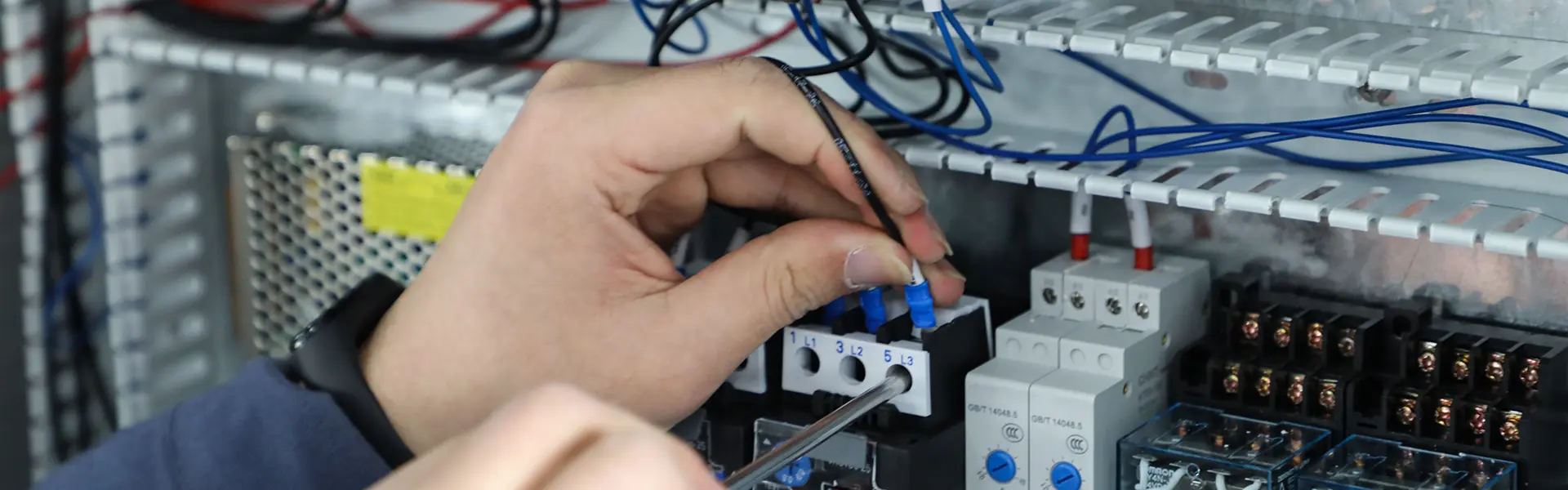
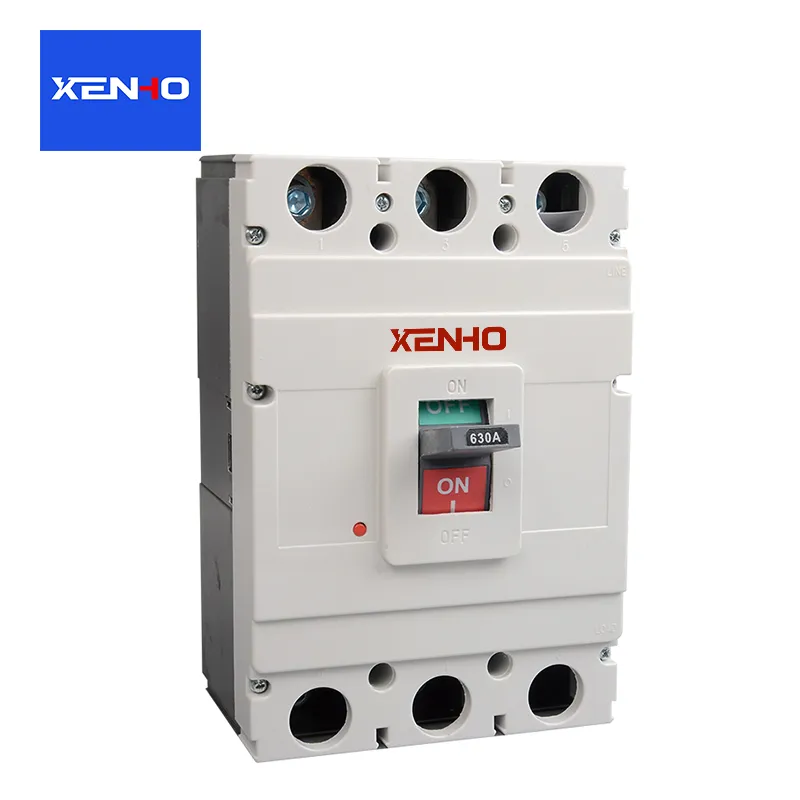
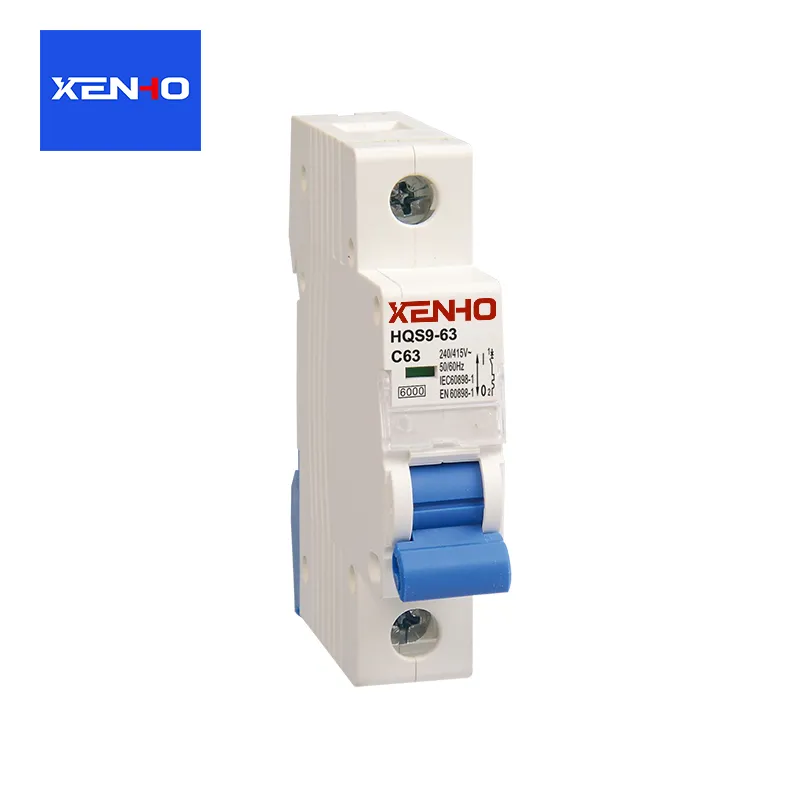
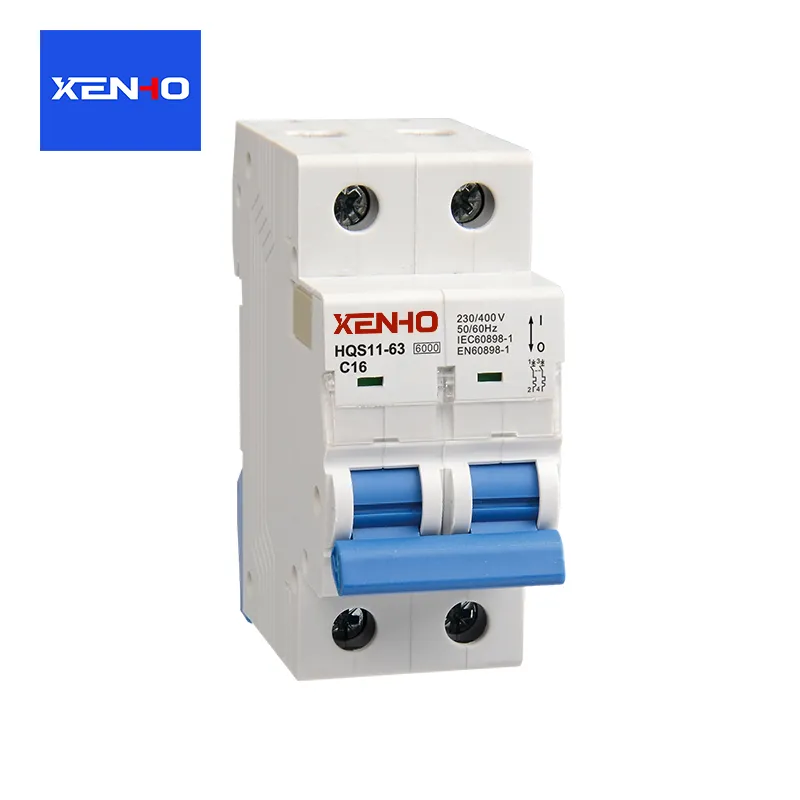
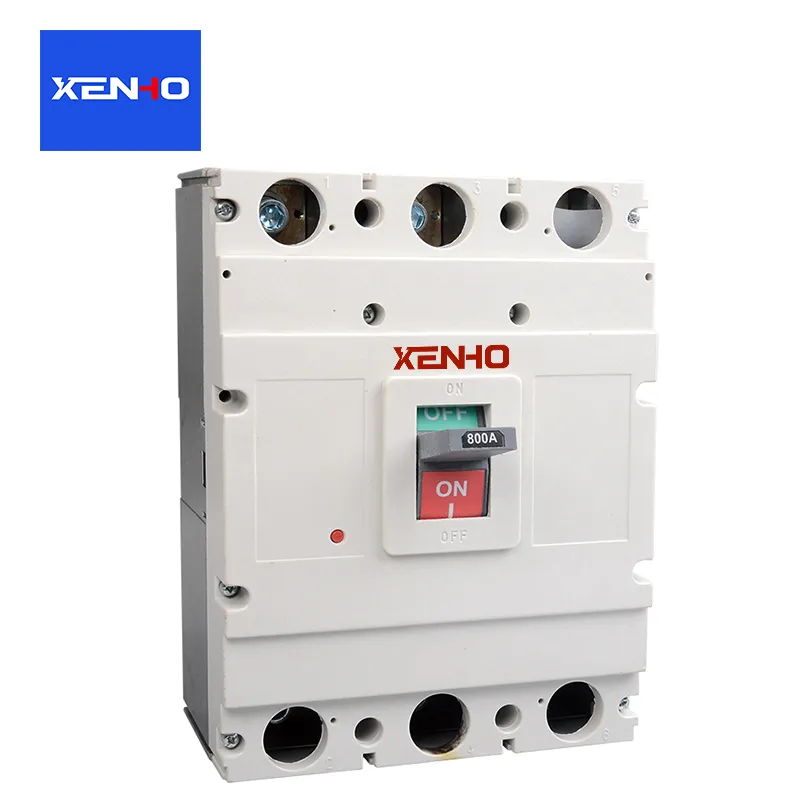
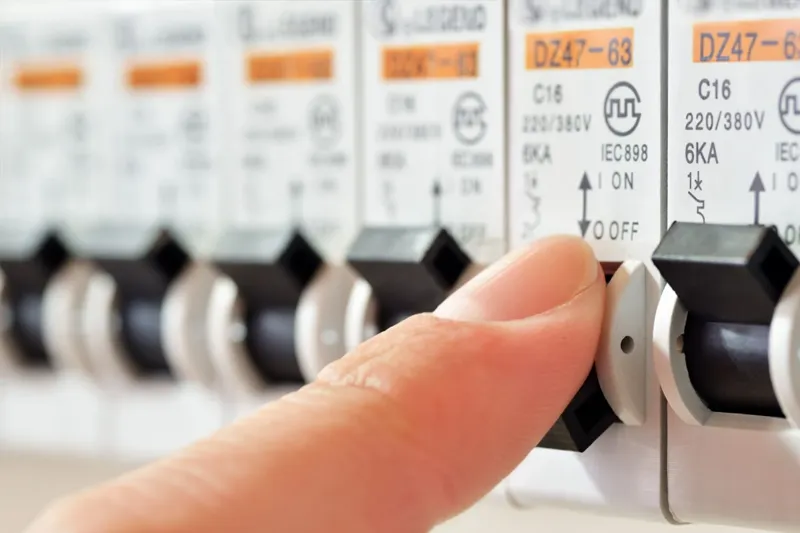
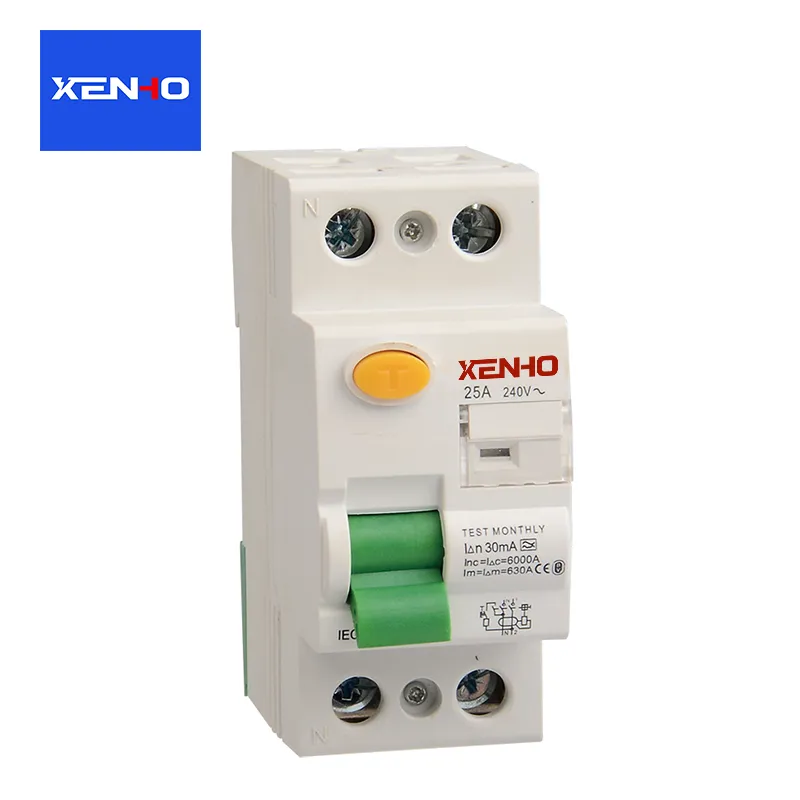
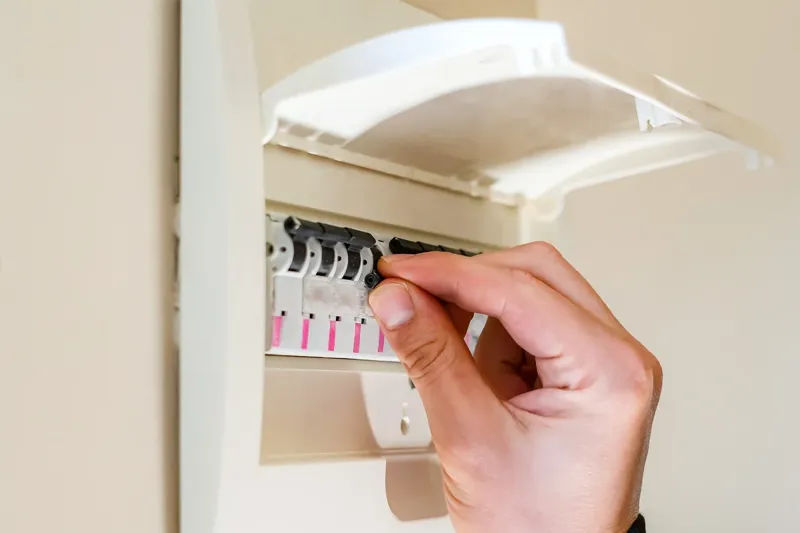
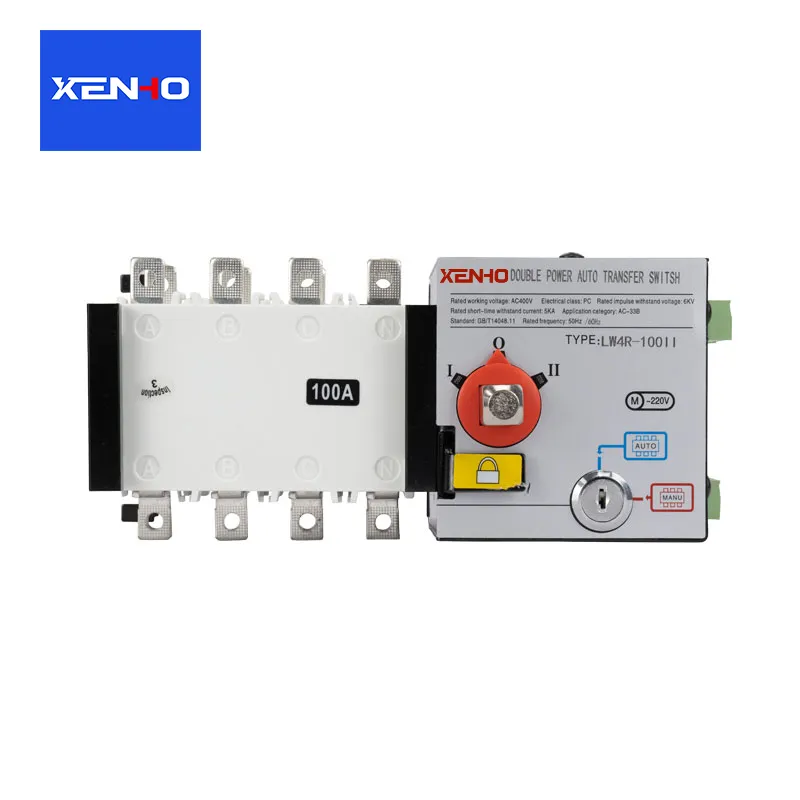
The working principle of a circuit breaker revolves around the core logic of monitoring, judging, and executing. Through its built-in tripping mechanism and arc extinguishing system, it achieves normal circuit switching control and rapid disconnection of faulty circuits. It can be divided into two parts: normal operating state and fault protection state. The arc extinguishing system is a key auxiliary component ensuring reliable disconnection.
Normal Operating State: Circuit Connection and Disconnection
Manual/Electric Closing: The operator uses a handle or electric mechanism to move the circuit breaker's moving contact towards the stationary contact, establishing contact and closing the circuit, allowing for normal power transmission. After closing, the locking mechanism fixes the moving contact in the closed position, maintaining circuit continuity.
Manual Disconnection: When the disconnection handle is pulled, the locking mechanism unlocks, and the force of the return spring causes the moving contact to separate from the stationary contact, breaking the circuit. If the current is small at this time, the arc generated between the contacts will extinguish itself.
Fault Protection State: Automatic Tripping and Circuit Disconnection
When the circuit experiences faults such as overload, short circuit, or undervoltage, the built-in trip unit will trigger the locking mechanism to unlock, achieving automatic tripping. Different faults correspond to different tripping principles:
Overload Protection (Thermal Tripping Principle)
Core component: Bimetallic strip (composed of two metal strips with significantly different thermal expansion coefficients).
Working logic: When the circuit is overloaded, the current continuously exceeds the rated value, causing the bimetallic strip to bend and deform due to heating. When the deformation reaches a threshold, it pushes the locking mechanism to unlock, and the moving contact disconnects the circuit under the action of the spring.
Features: Delayed action; short-term overloads (such as motor starting) will not trigger tripping, avoiding false tripping.
Short Circuit Protection (Electromagnetic Tripping Principle)
Core component: Electromagnetic coil (wound on an iron core).
Working logic: When a short circuit occurs, the current instantly surges to tens or even hundreds of times the rated value. The electromagnetic coil generates a strong electromagnetic force, attracting the iron core to strike the locking mechanism, instantly unlocking it.
Features: Millisecond-level rapid action; can disconnect the circuit in a very short time, preventing arc damage to equipment or causing fires. Undervoltage/Voltage Loss Protection (Undervoltage Trip Principle)
Core component: Undervoltage trip coil, connected in parallel to the circuit to monitor voltage.
Working logic: When the voltage drops below approximately 70% of the rated value or is completely lost, the electromagnetic force of the trip coil disappears, and the iron core, under the action of a spring, triggers the lock to unlock, thus disconnecting the circuit.
Function: Prevents equipment from malfunctioning and being damaged due to low voltage, and also avoids safety hazards caused by sudden equipment startup when power is restored.
Leakage Protection (Residual Current Protection Principle)
Core component: Zero-sequence current transformer.
Working logic: Under normal circumstances, the current in the phase line and the neutral line are equal in magnitude and opposite in direction. The magnetic flux in the transformer core cancels each other out, resulting in no induced current output; when a leakage occurs (such as electric shock to a person), part of the current flows through the ground, causing an imbalance in the two-phase current. The transformer generates an induced signal, triggering the trip device.
Features: Low operating threshold (commonly 30mA), prioritizing personal safety.
We use cookies to offer you a better browsing experience, analyze site traffic and personalize content. By using this site, you agree to our use of cookies. Privacy Policy