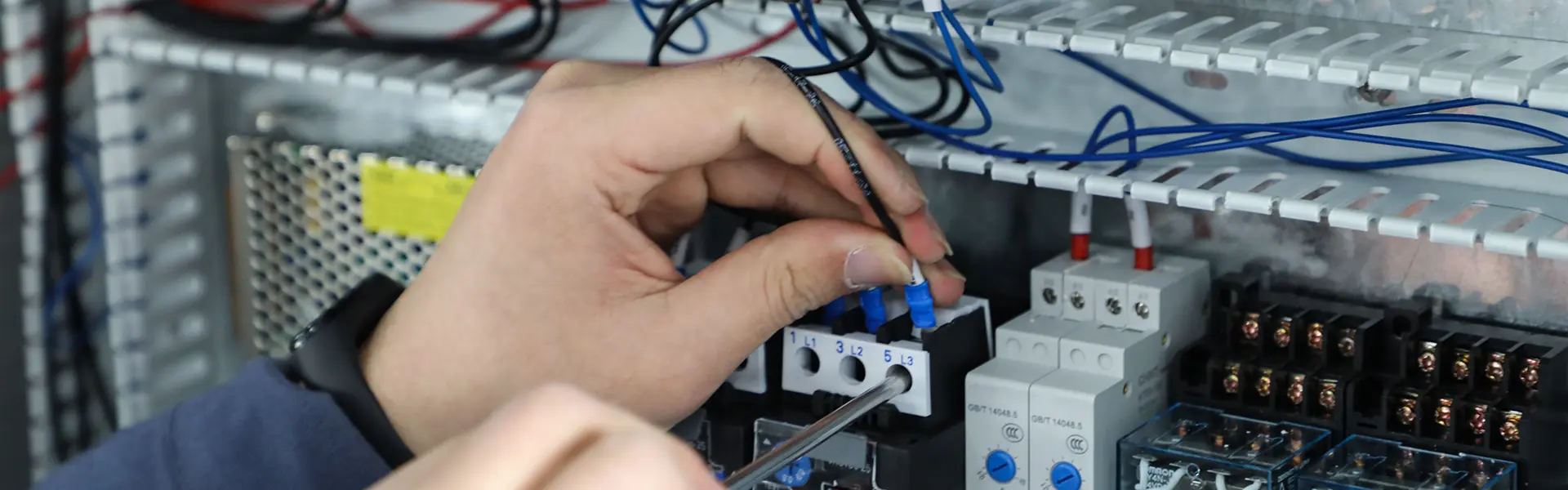
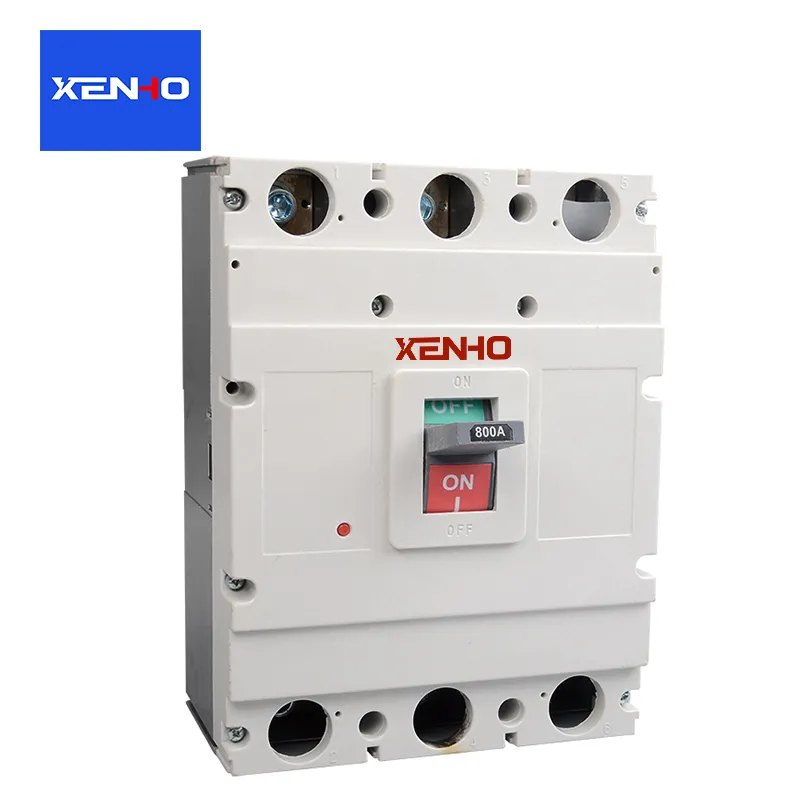
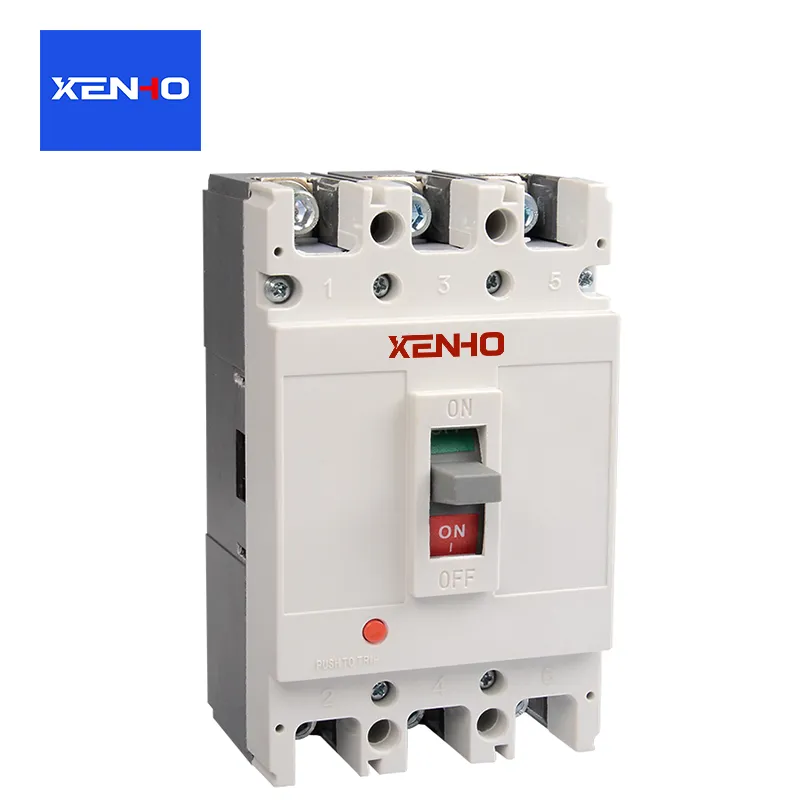
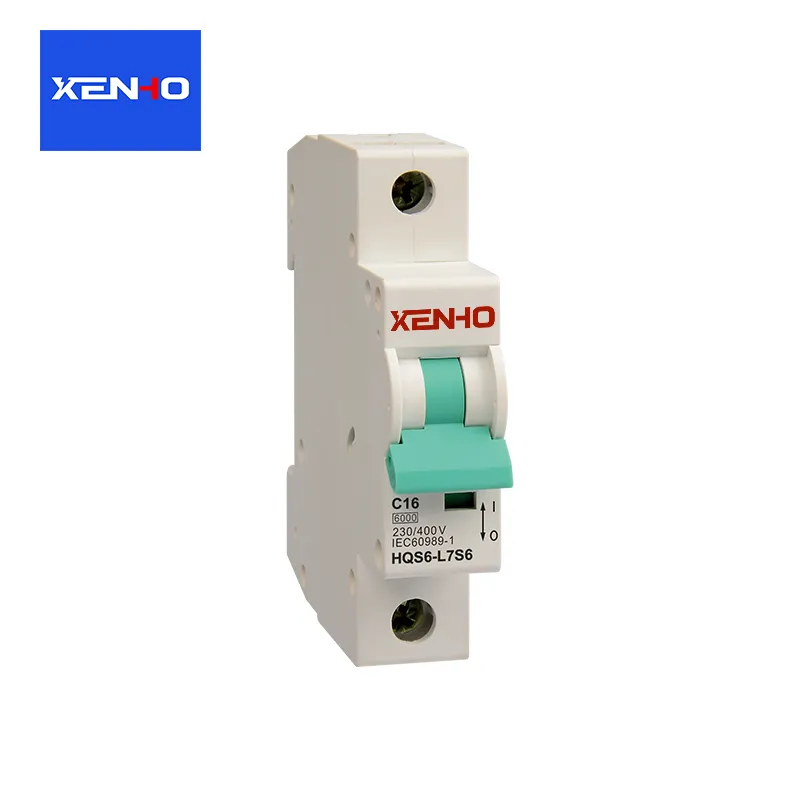
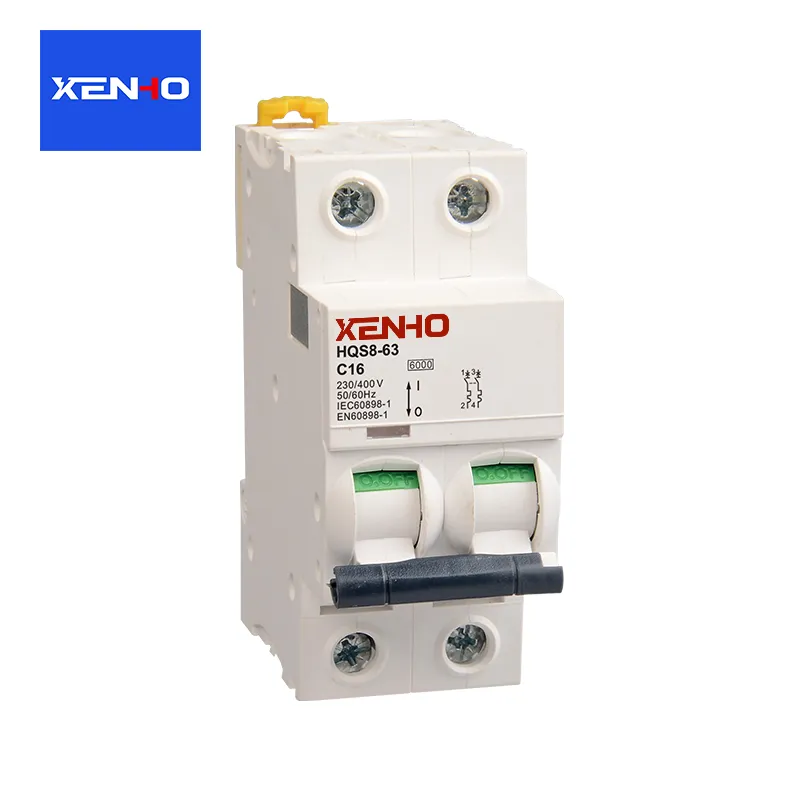
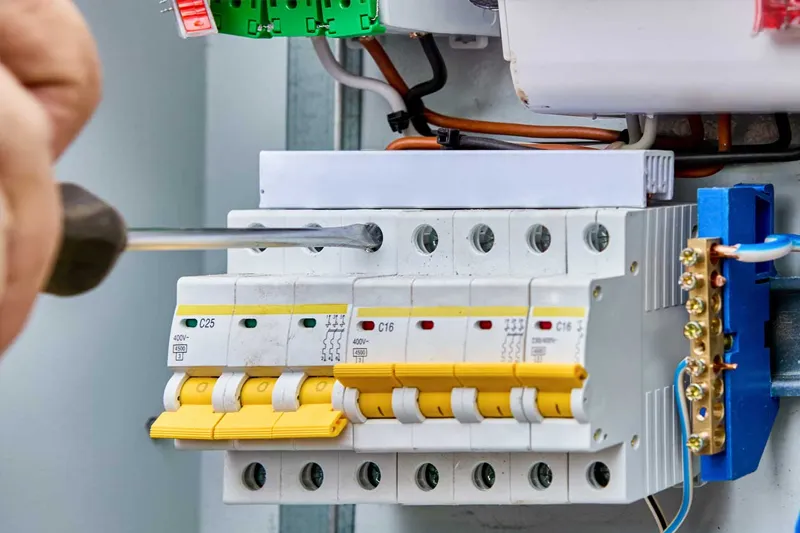
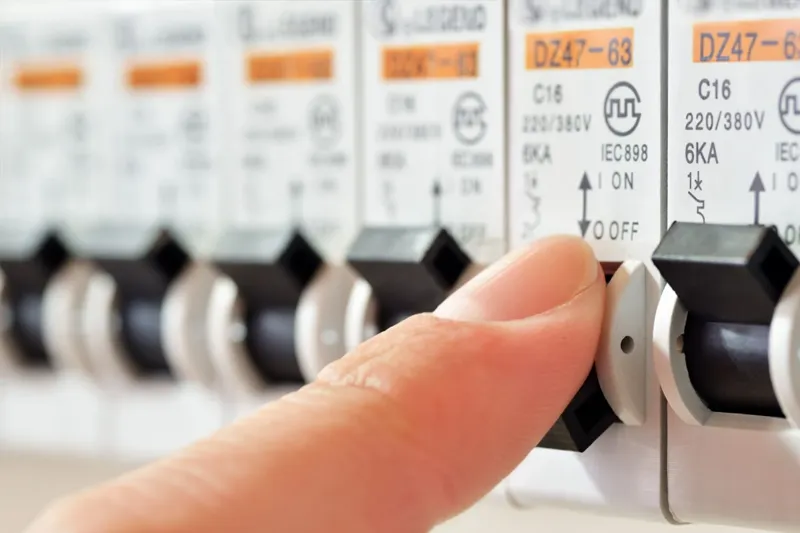
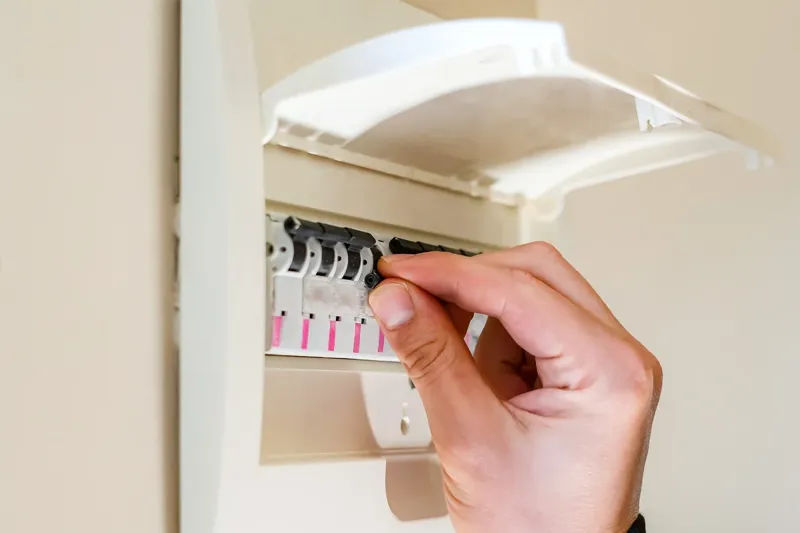
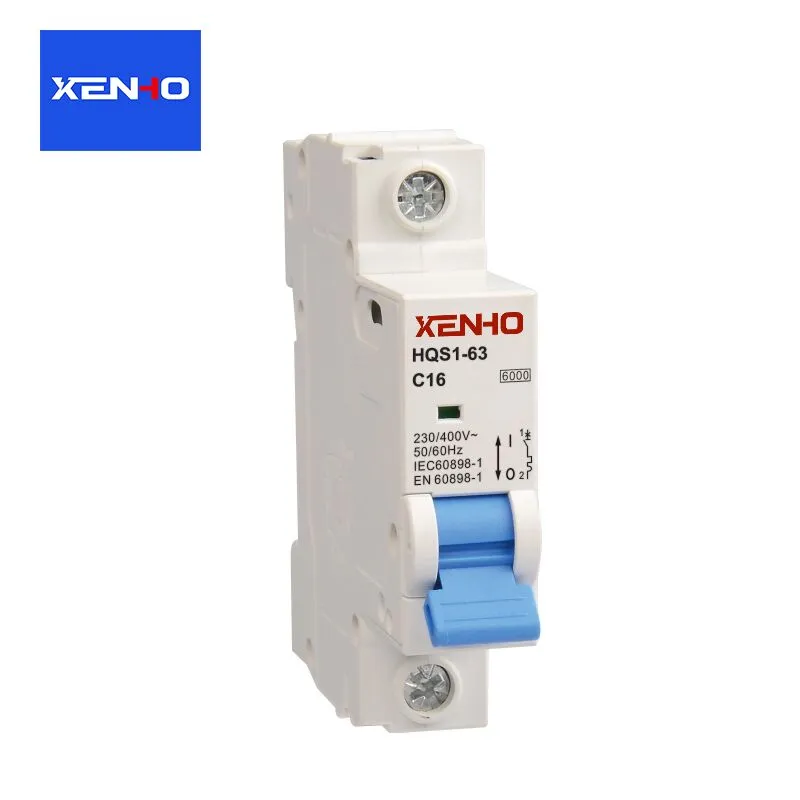
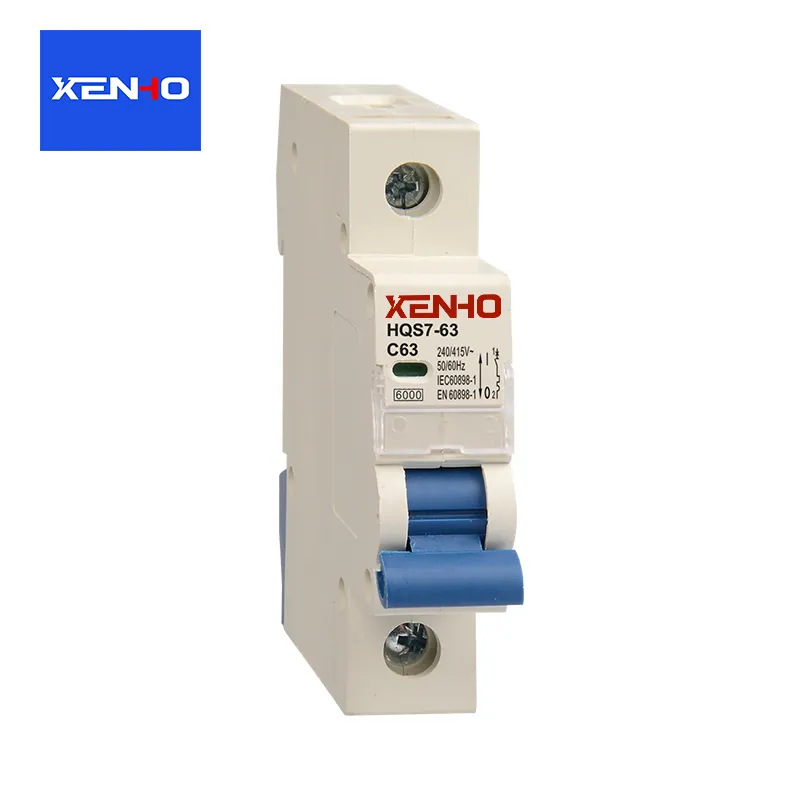
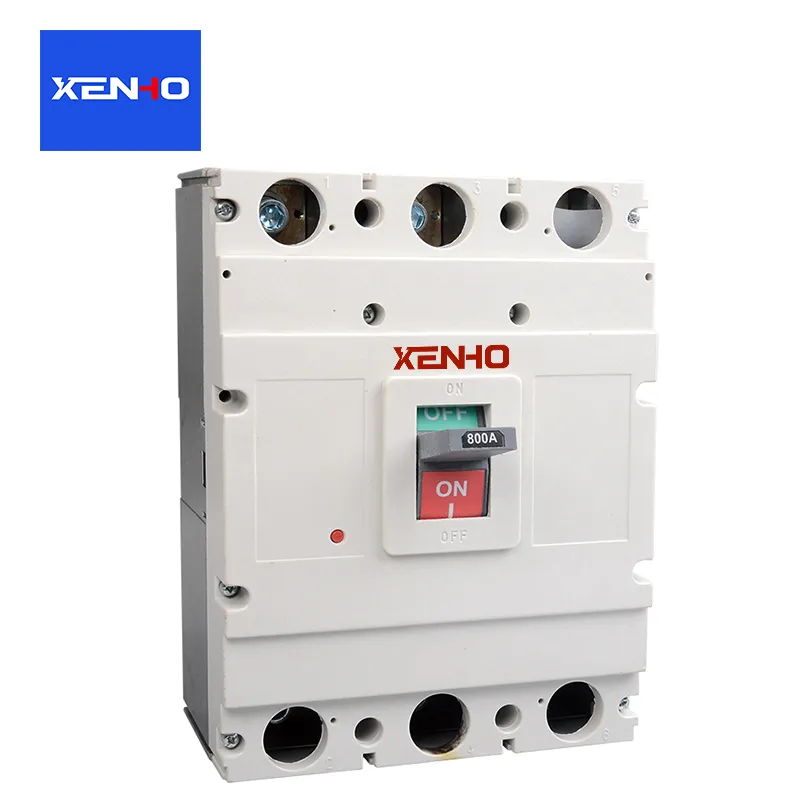
Circuit breakers are core protection and control devices in power systems and electrical equipment. Their primary function is to connect/disconnect normal circuits and automatically interrupt faulty circuits, protecting equipment and ensuring personal safety. They can be reset and reused after fault clearance. The following details their core functions, protection types, and added value:
Core Functions
On/Off Control: Manually or electrically connect/disconnect circuits under normal operating conditions, enabling power distribution, equipment switching, and circuit isolation, adapting to various load switching needs from household lighting to industrial motors.
Fault Protection (Automatic Disconnection): Built-in tripping mechanisms (thermal, electromagnetic, electronic, etc.) monitor the circuit and quickly disconnect it in case of a fault, preventing accident escalation.
Isolation and Reset: After disconnection, a clear break point is formed, ensuring maintenance safety; after fault clearance, it can be directly reset without replacing components, superior to fuses.
Added Value and Application Scenarios
System Stability: Quickly isolates faults, preventing chain reactions that could lead to system collapse, especially suitable for high-voltage power grids and industrial power distribution.
High Breaking Capacity: Modern circuit breakers can interrupt short-circuit currents up to 100kA, and the arc extinguishing system quickly extinguishes the arc, reducing arc hazards.
Intelligent Expansion: Some models support remote control, fault recording, and status monitoring, adapting to smart grids and industrial IoT needs.
Scenario Coverage: From household miniature circuit breakers (MCB), industrial molded case circuit breakers (MCCB) to high-voltage vacuum/SF6 circuit breakers, covering all voltage levels.
We use cookies to offer you a better browsing experience, analyze site traffic and personalize content. By using this site, you agree to our use of cookies. Privacy Policy