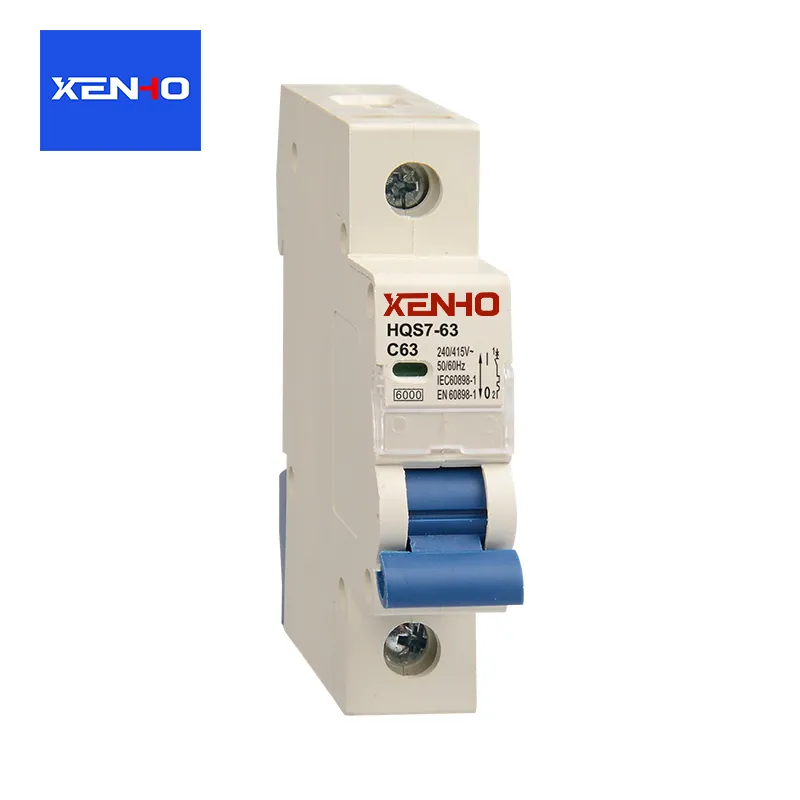
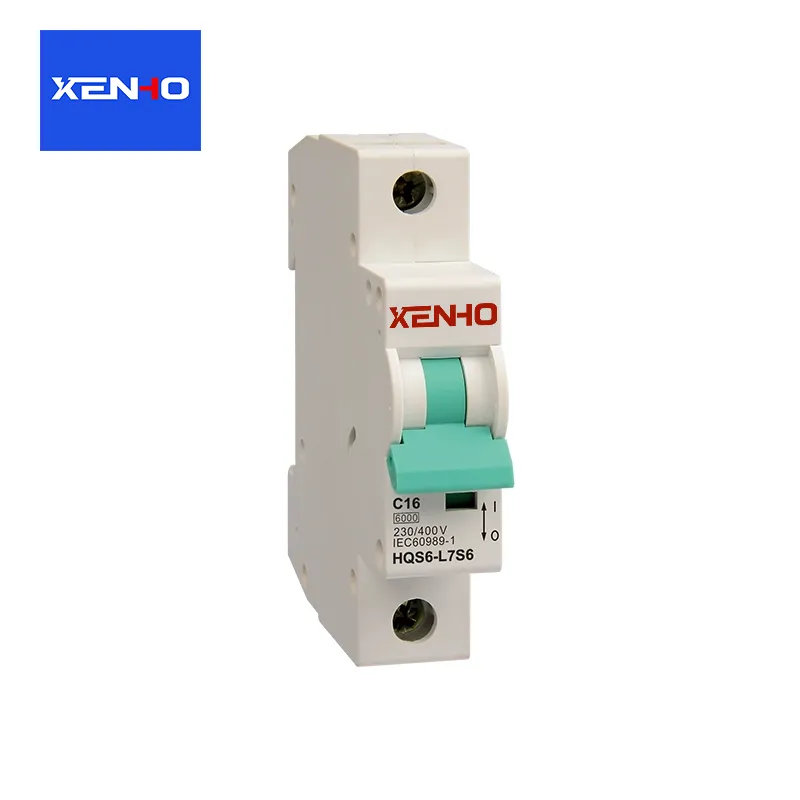
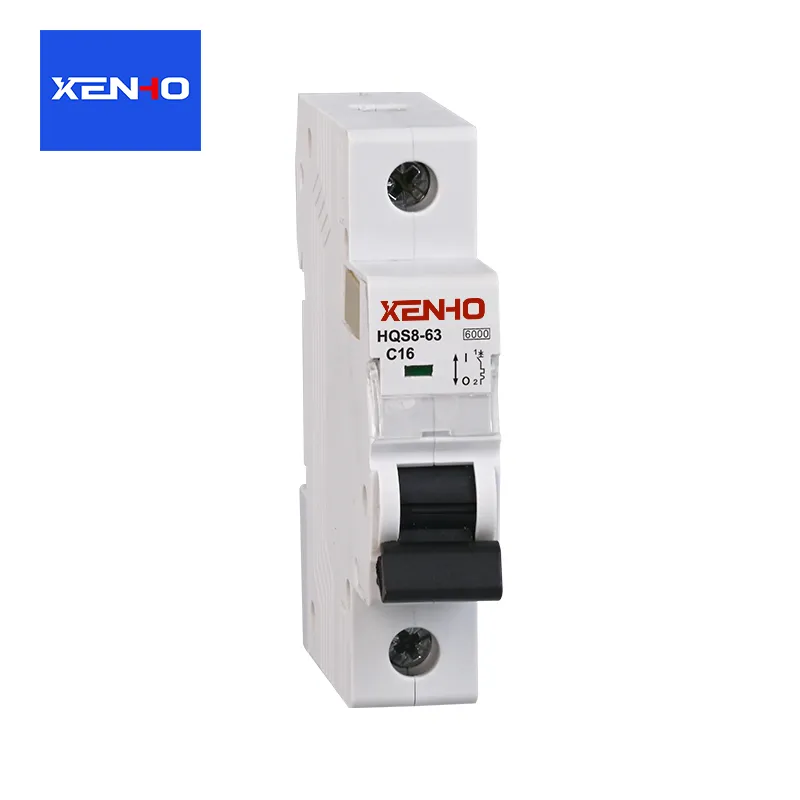
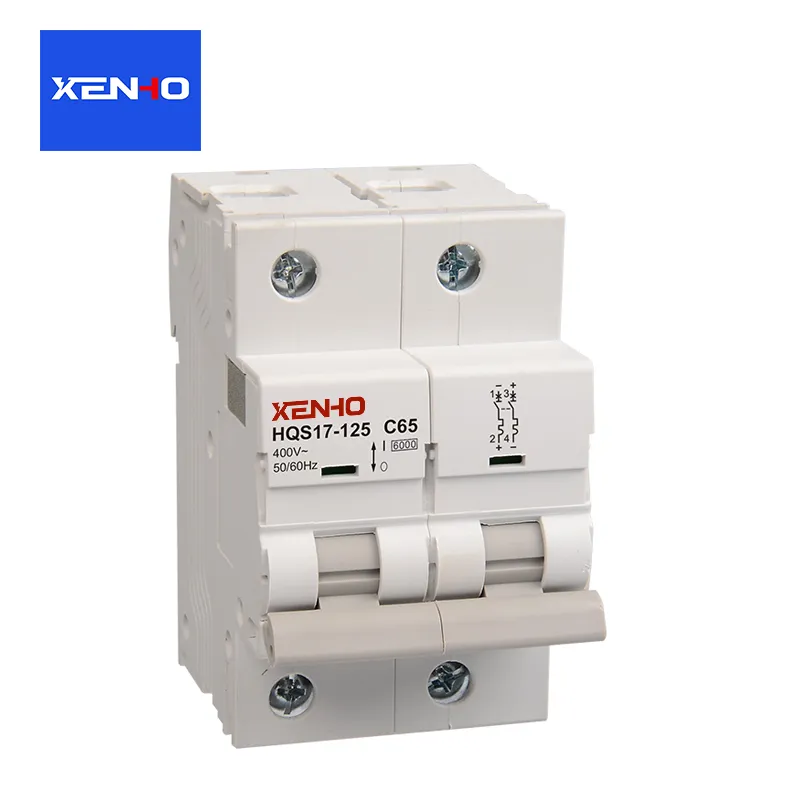
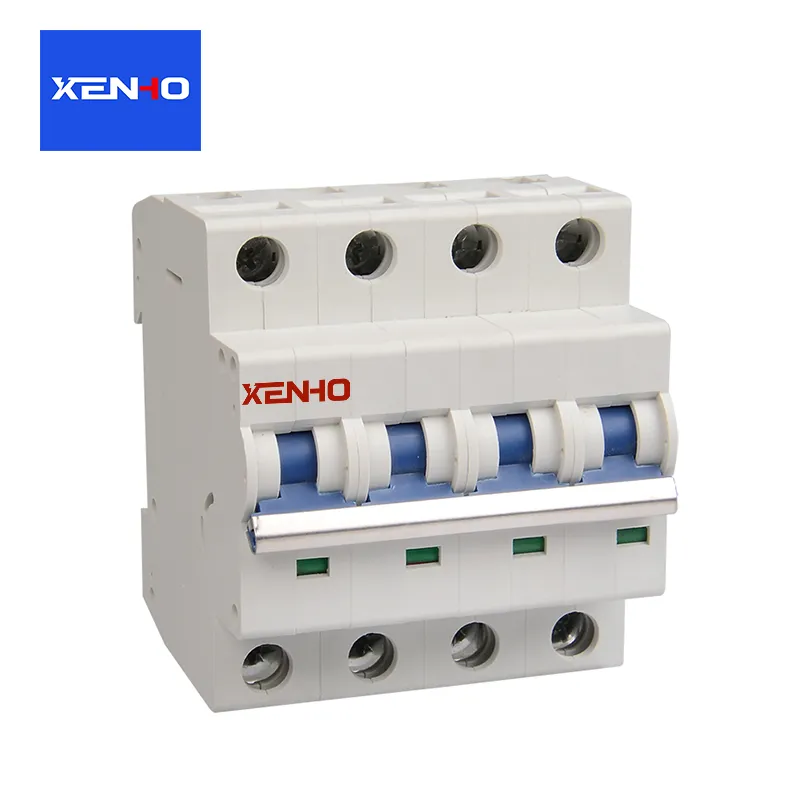
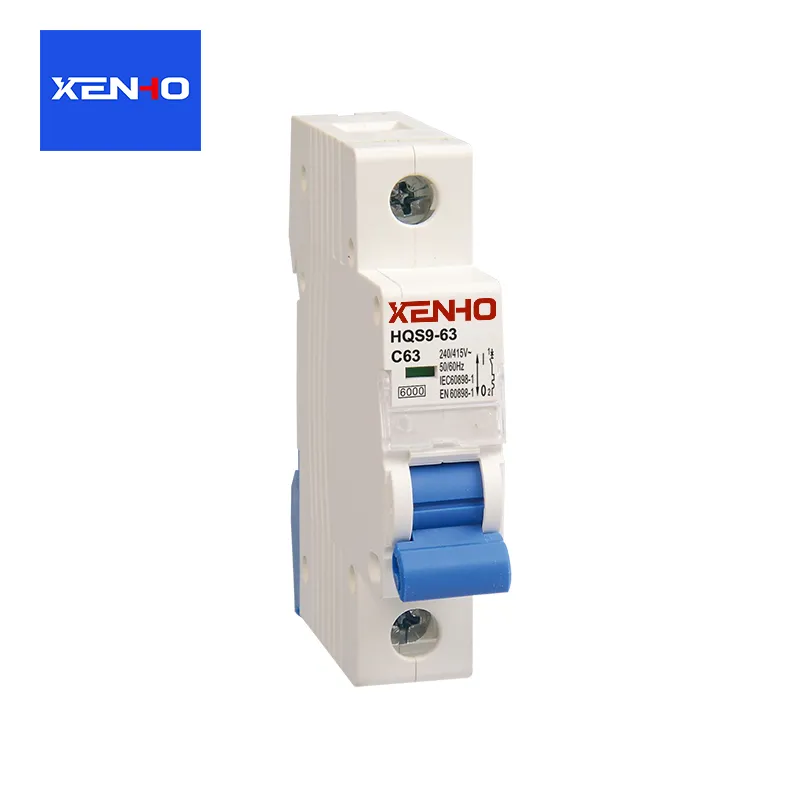
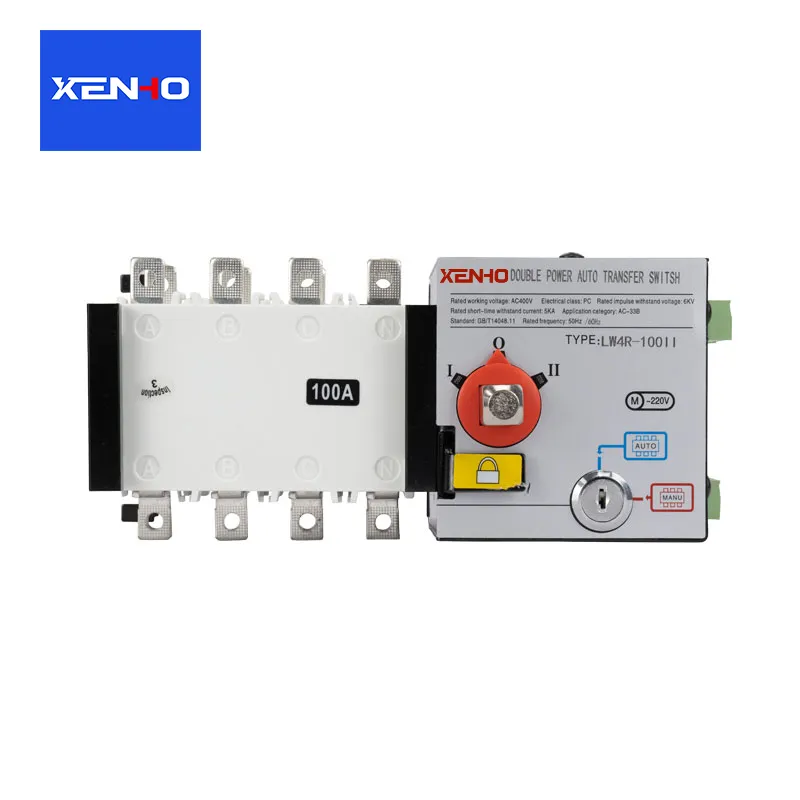
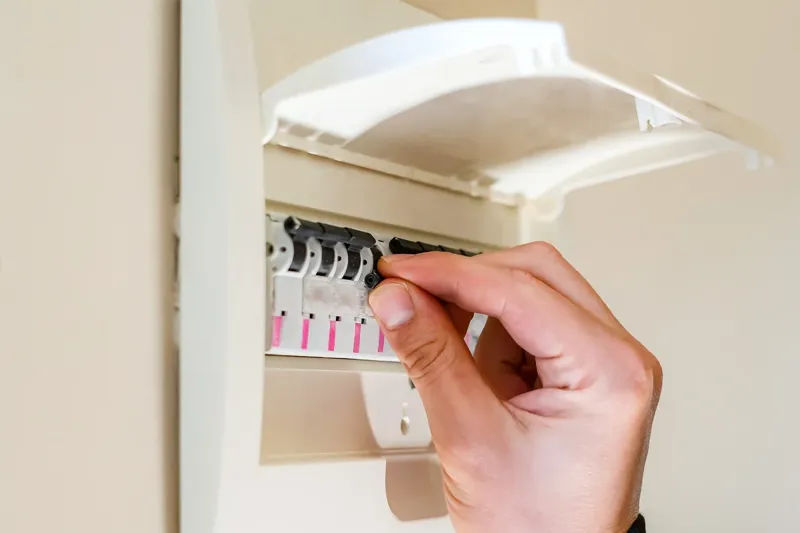
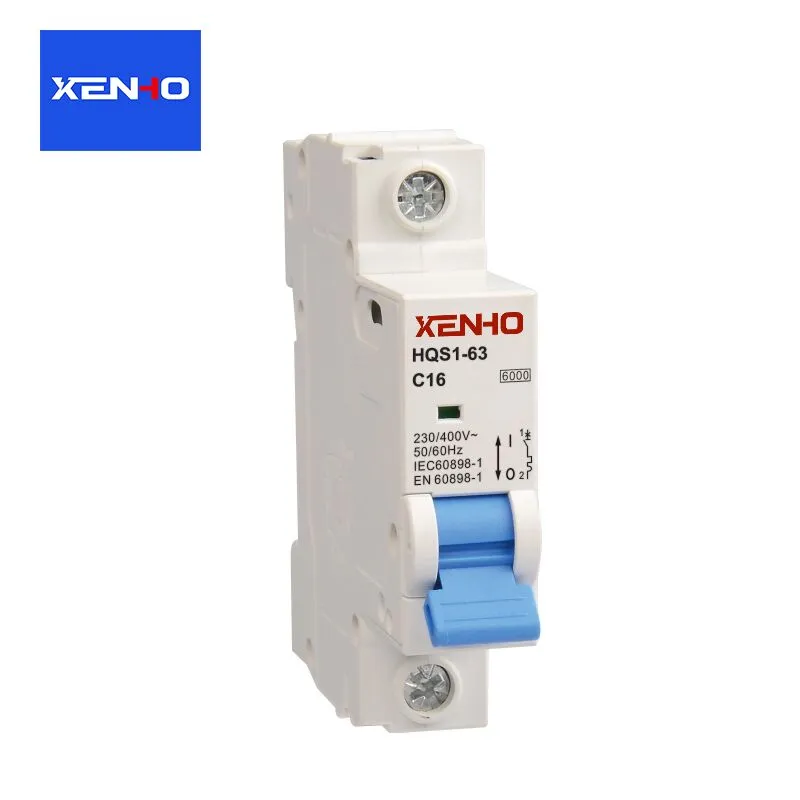
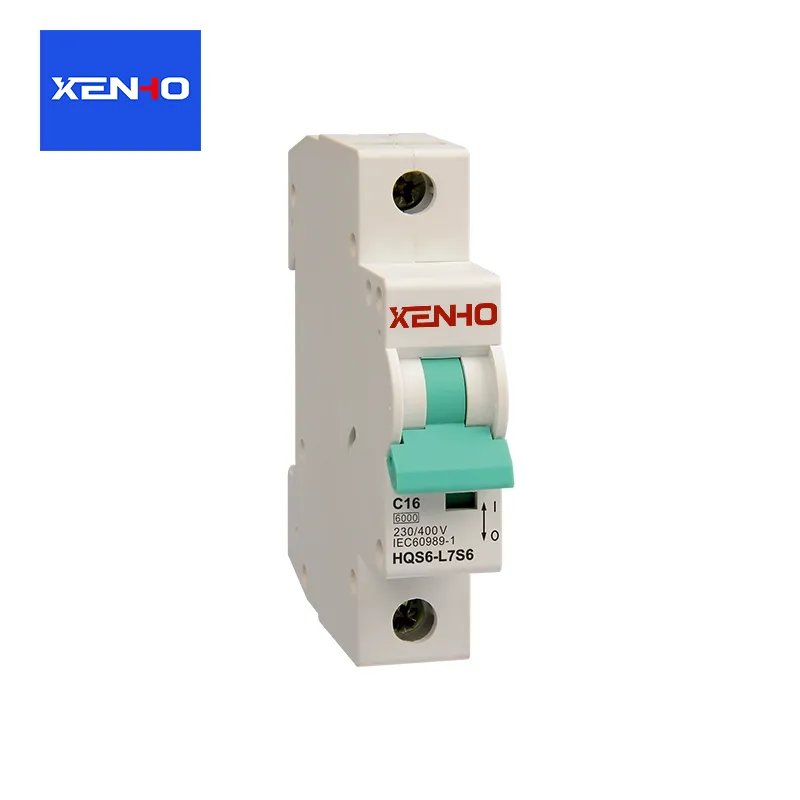
Features: Small size, low cost, built-in thermal-magnetic tripping (providing both overload and short-circuit protection), suitable for DIN rail mounting in distribution boxes;
Selection Suggestions: Use B-curve for lighting circuits, C-curve for socket/air conditioning circuits, and C/D-curve for high-power appliances (such as 3P air conditioners).
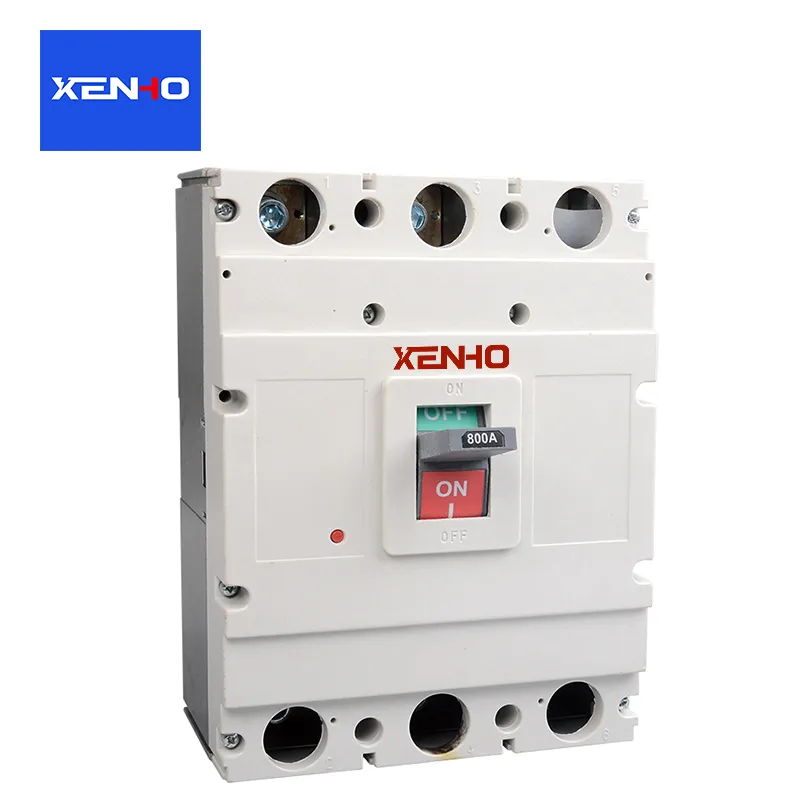
Current 63~630A: Select Molded Case Circuit Breakers (MCCB), supporting manual/electric operation, strong breaking capacity, and expandable functionality with optional accessories;
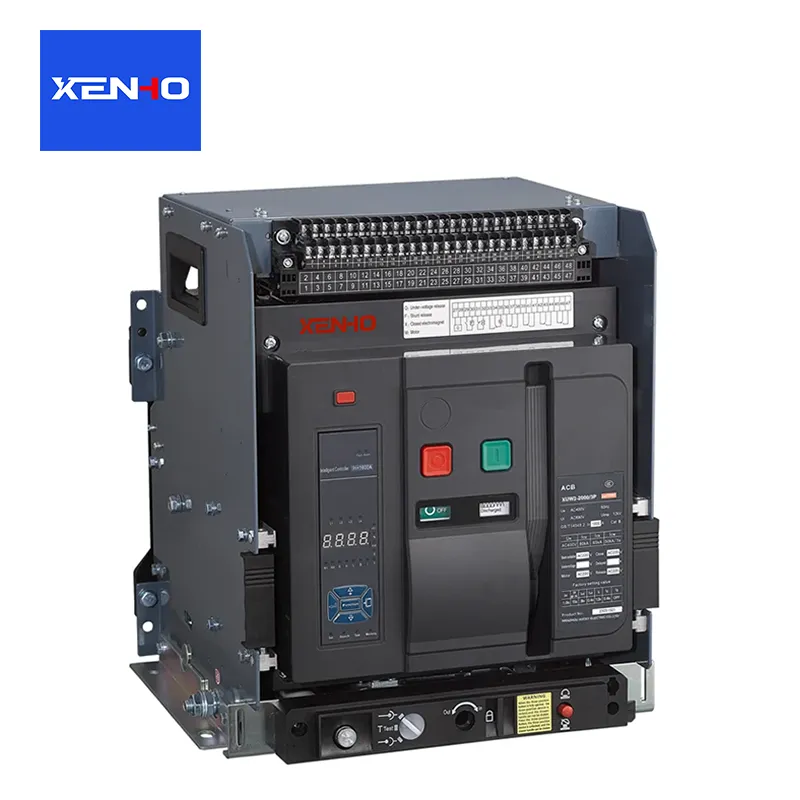
Current >630A: Select Air Circuit Breakers (ACB), used for incoming lines/bus ties in power distribution rooms, providing selective protection to prevent large-scale power outages during faults.
Humid/High Personal Safety Requirement Scenarios
Select Residual Current Circuit Breakers (RCBO), integrating leakage protection on the basis of MCB, providing triple protection against "overload + short circuit + leakage," suitable for bathrooms, kitchens, and outdoor circuits.
Key Points to Avoid When Selecting Circuit Breakers
Avoid "oversizing": Using a circuit breaker with a large rated current to protect a small current circuit (e.g., a 100A MCB protecting a 10A lighting circuit) will result in failure to trip in time during overload/short circuit;
Breaking capacity cannot be "under-specified": The incoming end must select a high-level breaking capacity (e.g., 10kA), otherwise the circuit breaker may explode during a short circuit;
Incorrect curve selection is a core mistake: Using a B-curve for motor circuits will cause frequent nuisance tripping, and using a D-curve for lighting circuits will reduce the sensitivity of overload protection.
We use cookies to offer you a better browsing experience, analyze site traffic and personalize content. By using this site, you agree to our use of cookies. Privacy Policy