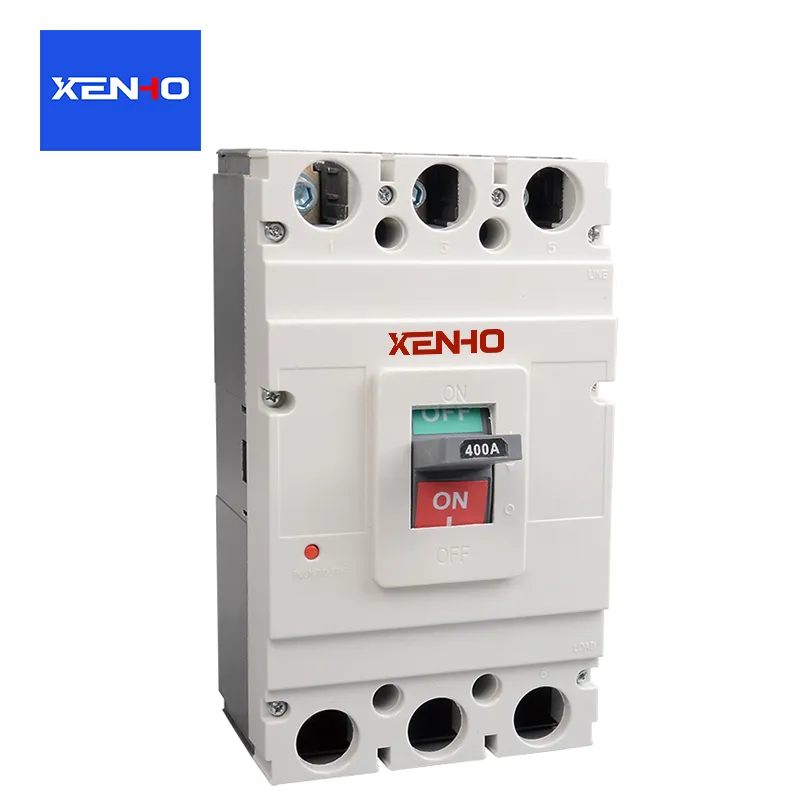
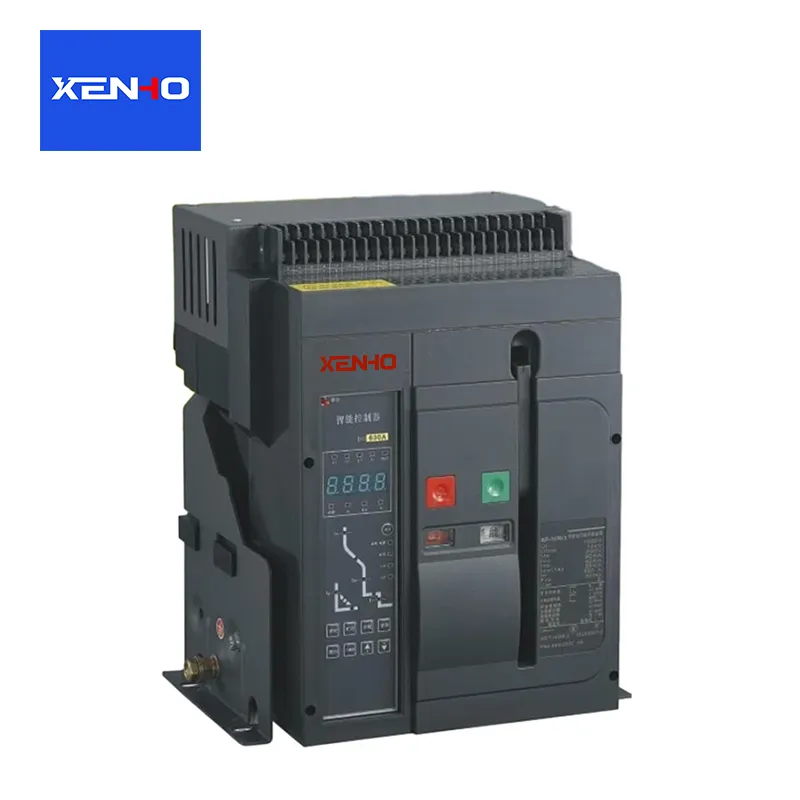
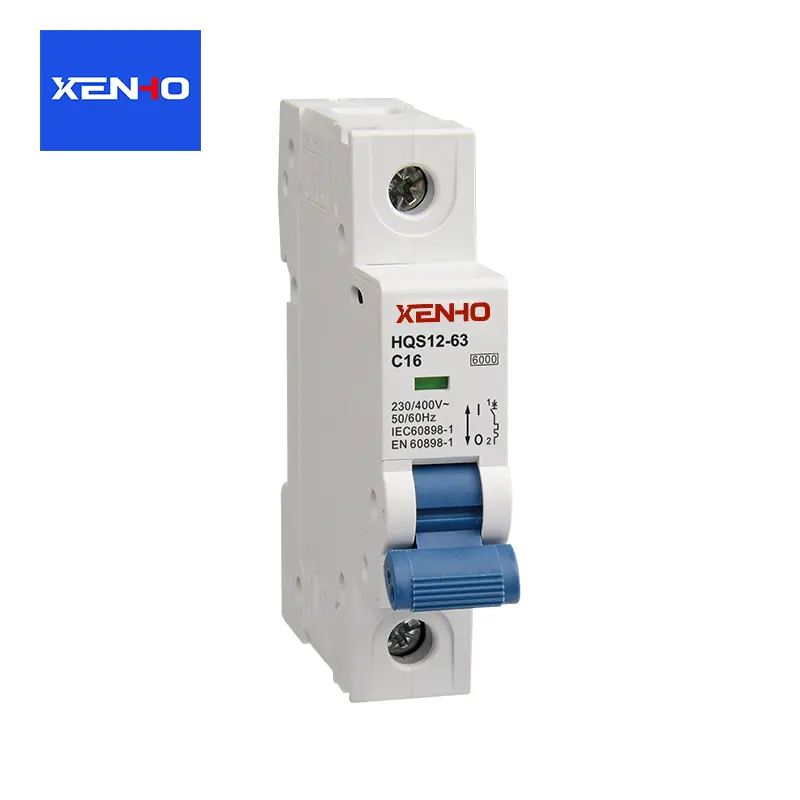
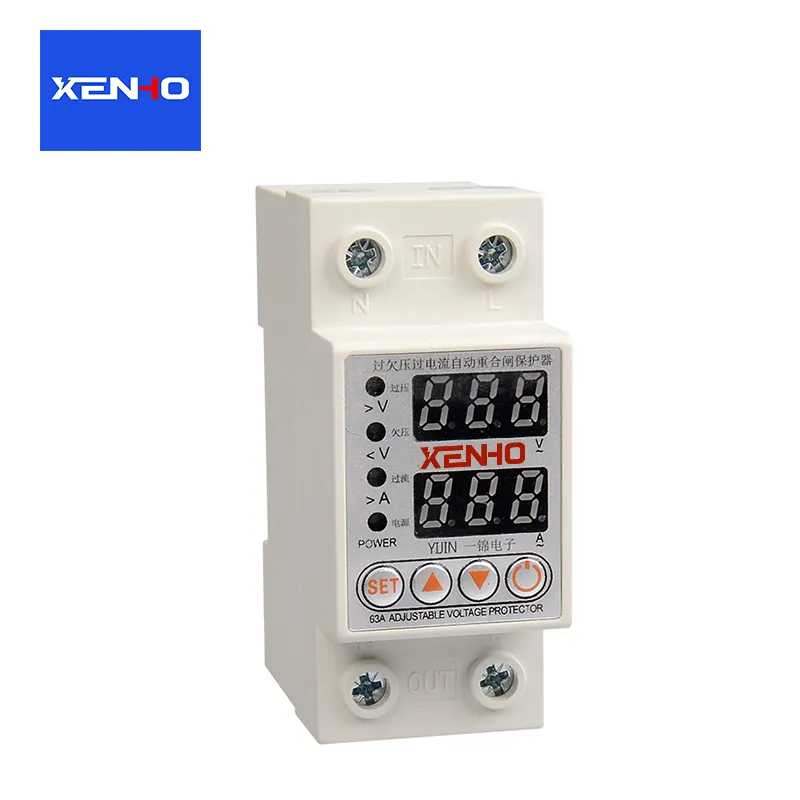
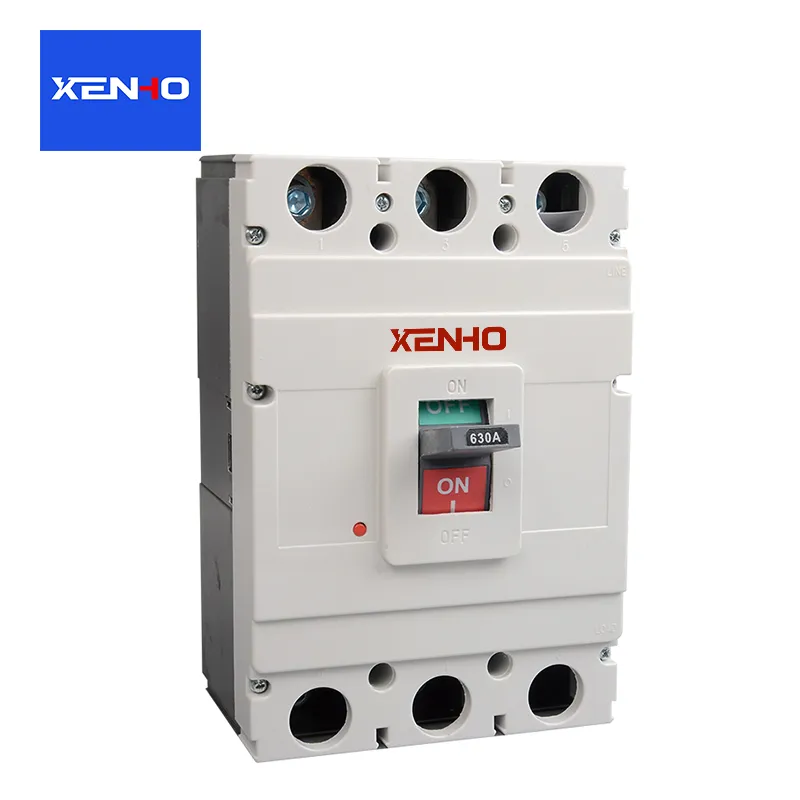
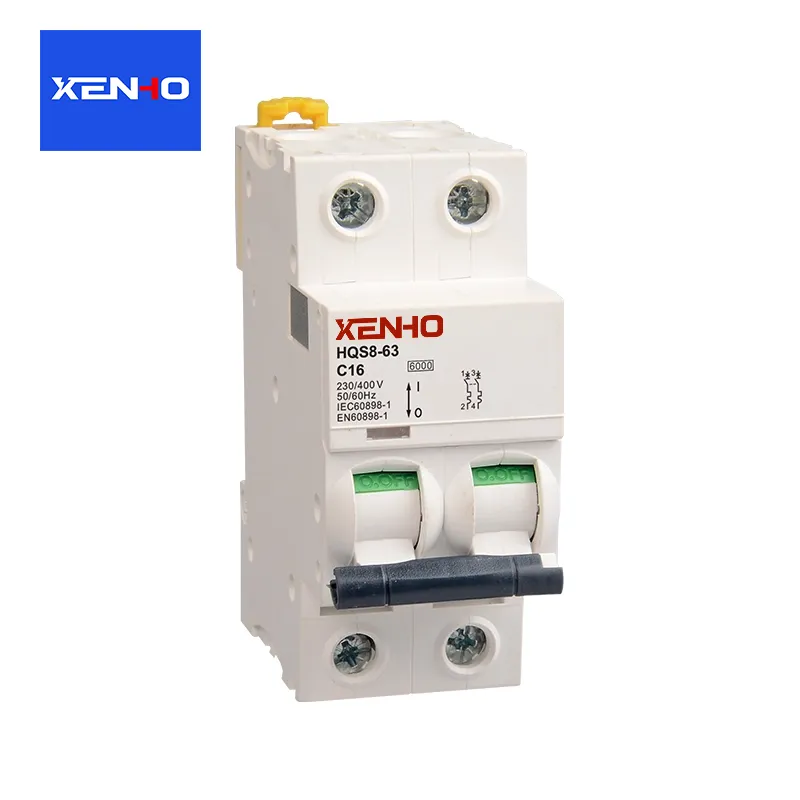
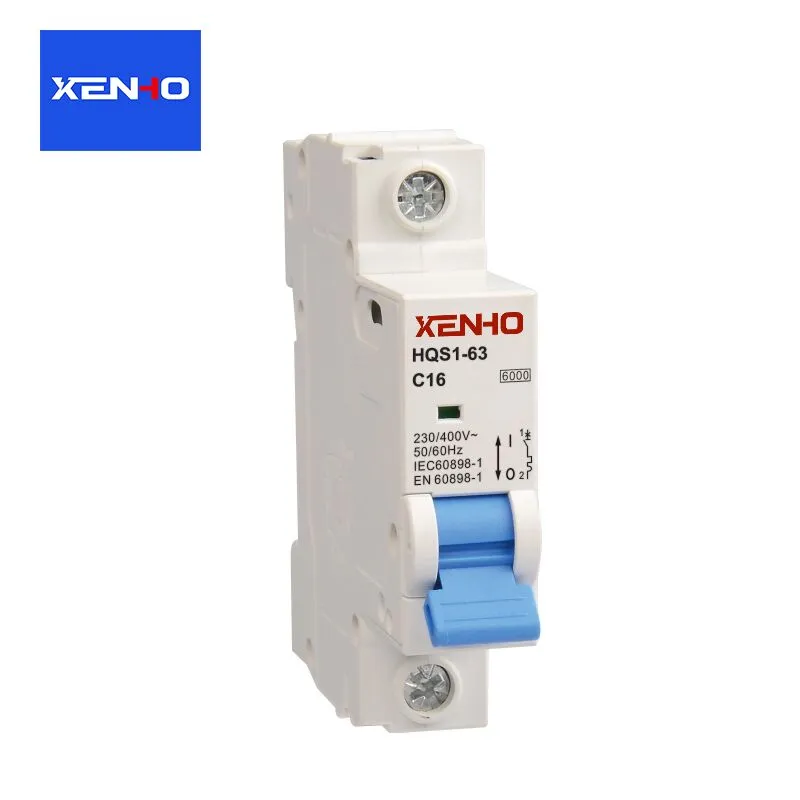
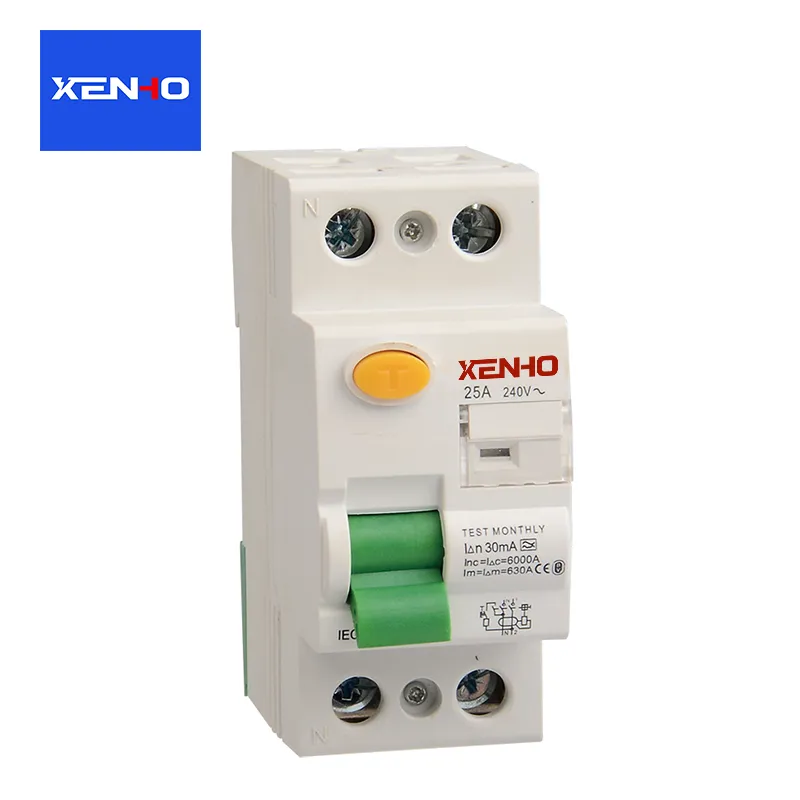
Short-circuit protection and overload protection are the two core protection functions of circuit breakers. They differ fundamentally in terms of fault cause, current characteristics, operating mechanism, and protection objectives. The specific differences are as follows:
Overload Protection:
The circuit load power exceeds the rated value of the circuit breaker, such as connecting too many appliances or a motor running under heavy load for a long time. The current continuously exceeds the rated value, but the increase is relatively small (usually 1.2 to 6 times the rated value).
Short-circuit Protection:
A direct short circuit occurs between phase lines and phase lines/neutral lines/ground lines, such as due to damaged insulation or internal equipment failure. The current increases instantaneously, reaching tens to hundreds of times the rated value (e.g., 10 to 200 times).
We use cookies to offer you a better browsing experience, analyze site traffic and personalize content. By using this site, you agree to our use of cookies. Privacy Policy