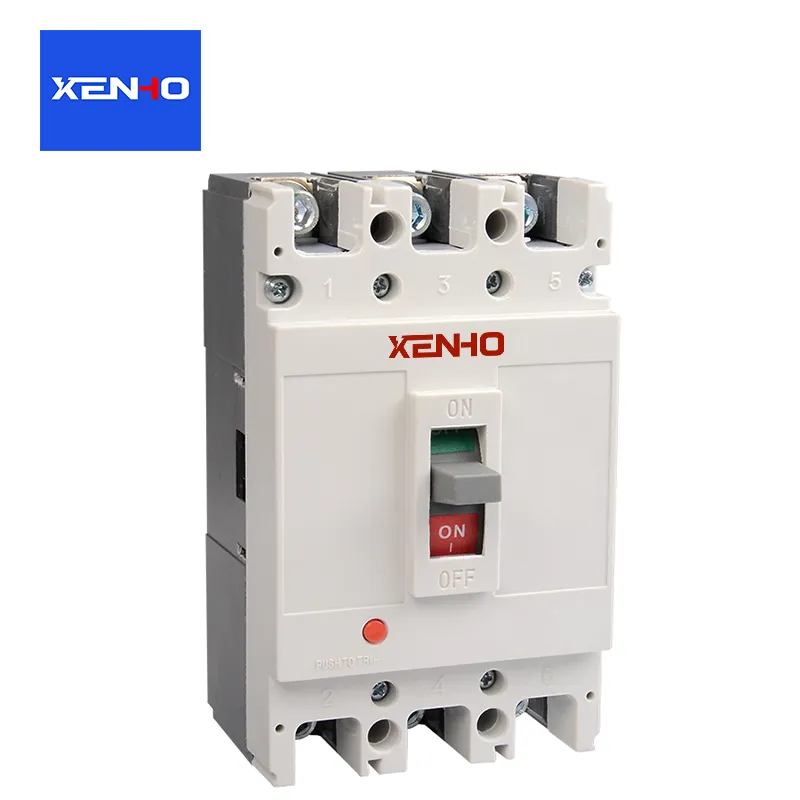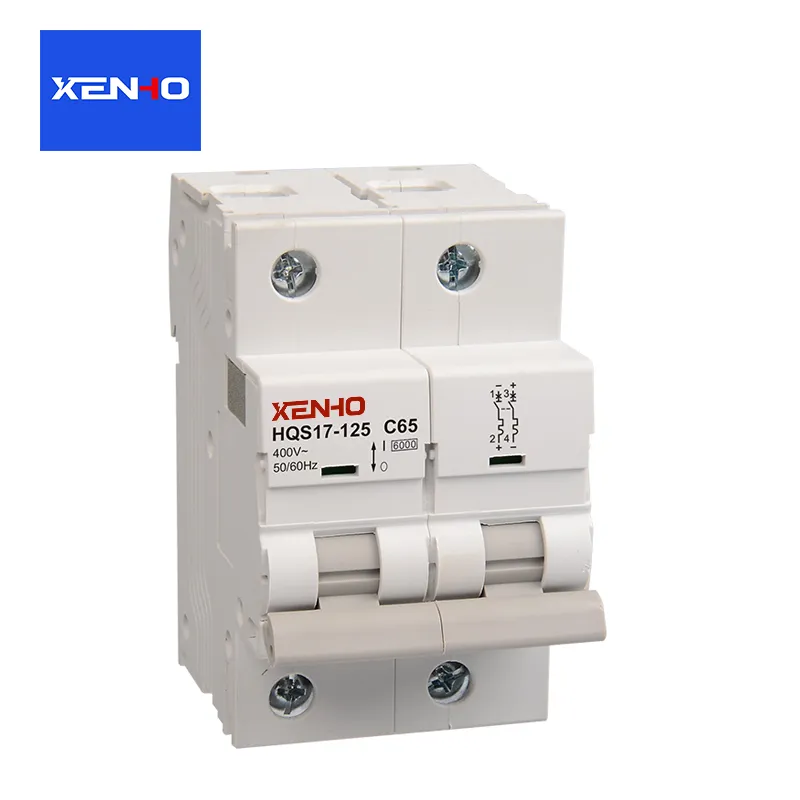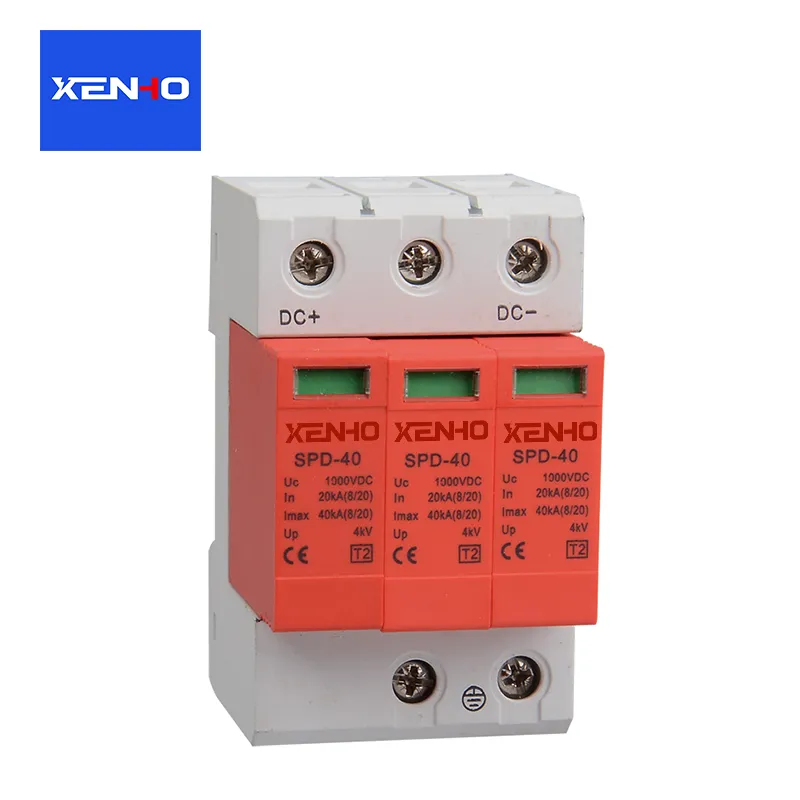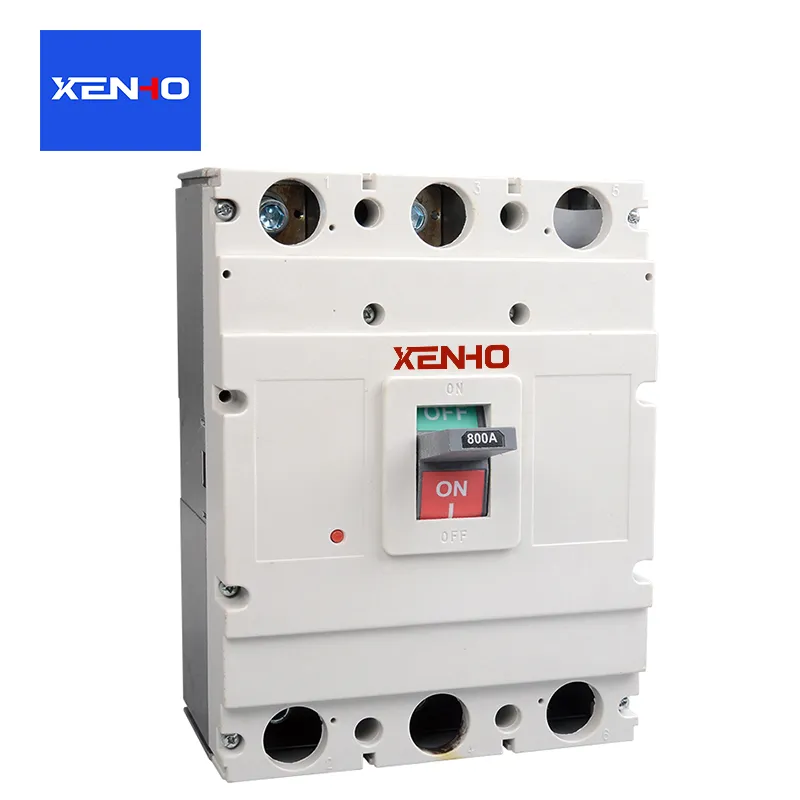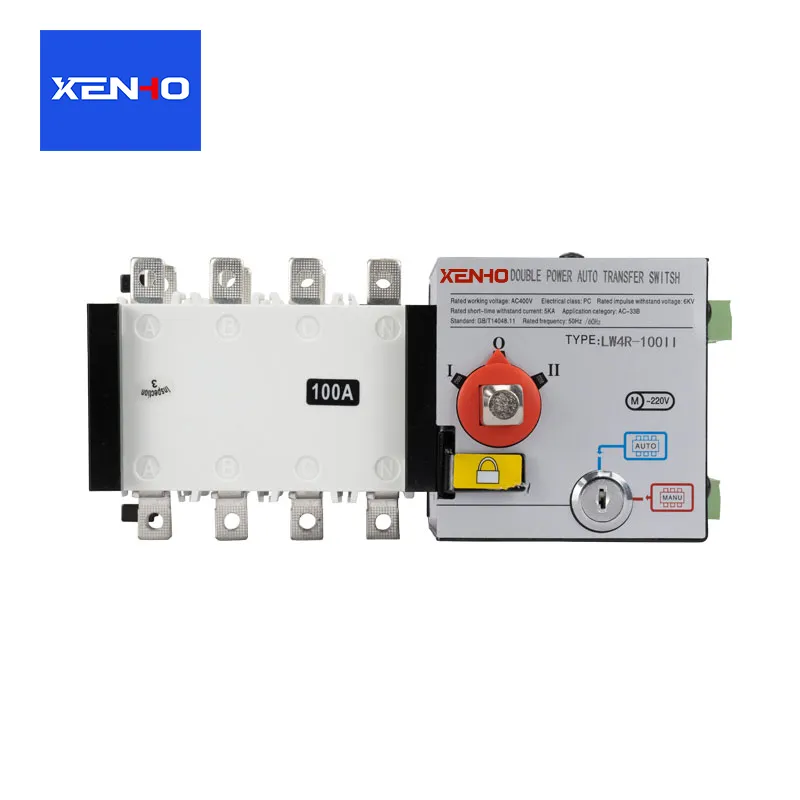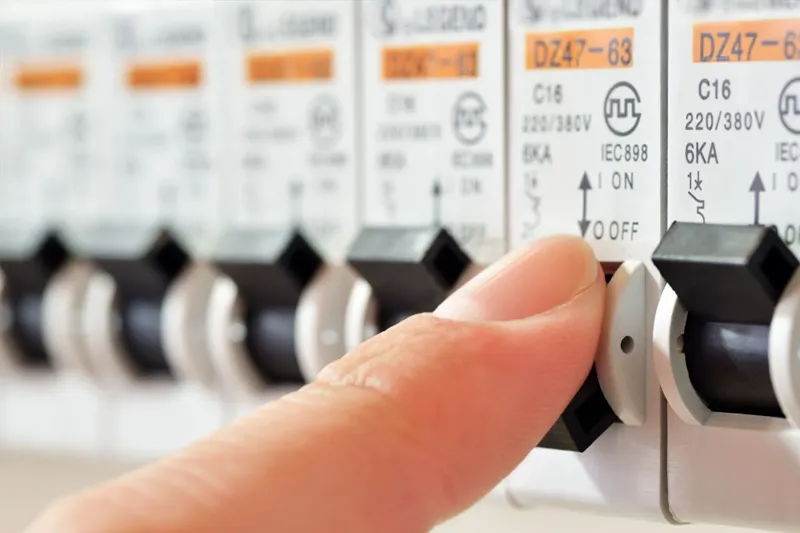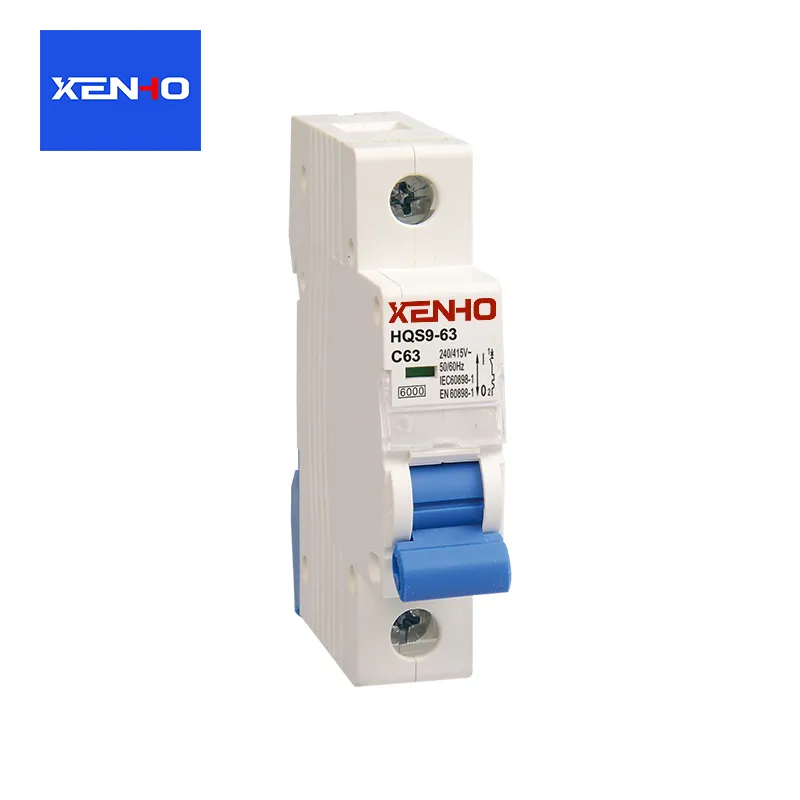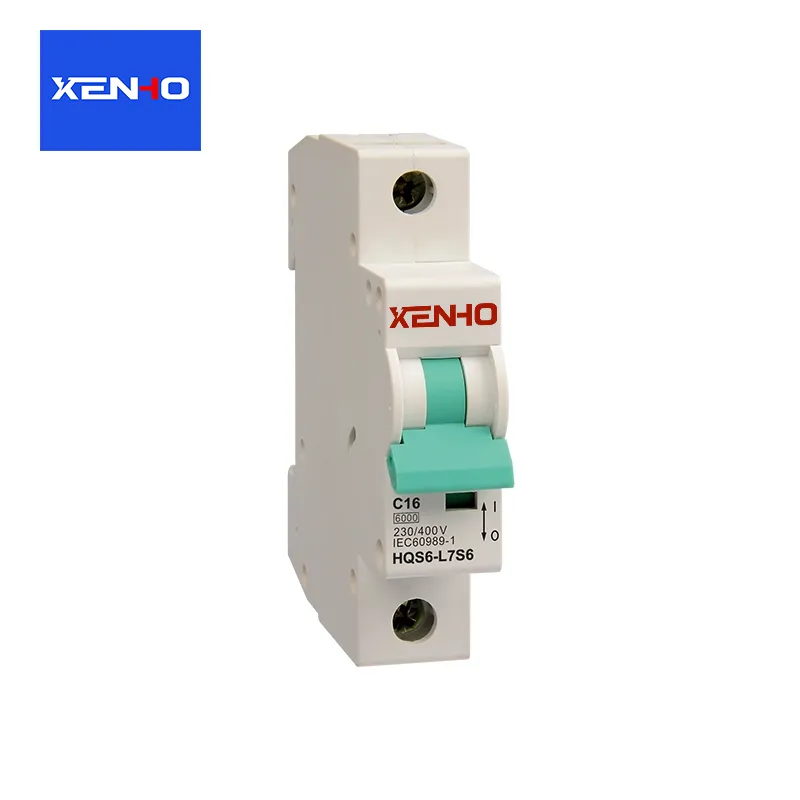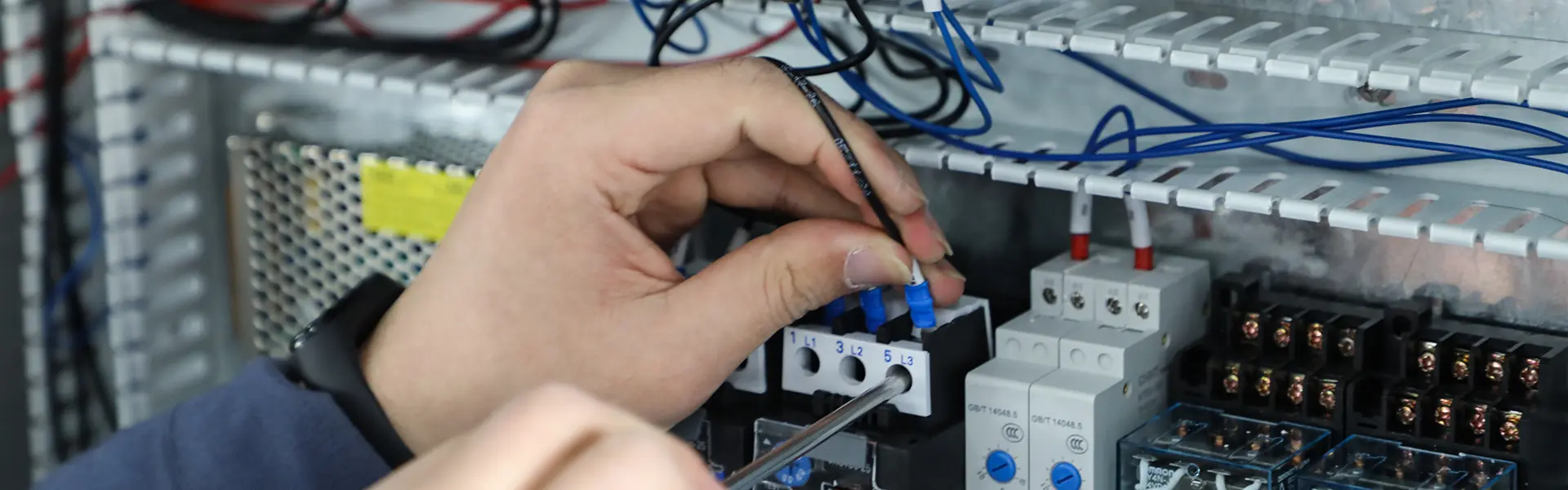
A DC circuit breaker protects direct-current electrical circuits against excessive current and, depending on its design, short circuits. Unlike AC systems, DC systems do not have a natural current zero crossing every half-cycle, making arc interruption more challenging. This guide explains DC circuit breaker operation, major types, essential ratings, application requirements, installation considerations, common purchasing mistakes, and maintenance practices to help buyers select suitable protection for their electrical systems.

1. What Is a DC Circuit Breaker?
A DC circuit breaker is an electrical protection device designed to interrupt direct current when a circuit experiences an overload, short circuit, or another specified fault condition. By opening the circuit, it helps protect cables, electrical equipment, power conversion components, and connected loads from potentially damaging current.
Direct current flows primarily in one direction. It is commonly supplied by batteries, photovoltaic panels, fuel cells, and DC power supplies. As these technologies become increasingly important in modern energy and industrial systems, dependable DC circuit protection has become an essential part of electrical system design.
Why Is DC Circuit Protection Important?
Excessive current can overheat conductors, damage insulation, degrade electronic components, and create fire hazards. A properly selected breaker limits the duration of fault current by disconnecting the affected circuit according to its designed operating characteristics.
- Equipment protection: Helps prevent damage to batteries, inverters, controllers, and other connected devices.
- Cable protection: Reduces the risk of conductor overheating when the protective device is correctly coordinated with cable ratings.
- Operational continuity: Allows faults to be isolated so unaffected circuits can continue operating where the system architecture permits.
- Maintenance convenience: Provides a means of circuit isolation when the device is suitable for that purpose and used according to its instructions.
- System safety: Supports a coordinated protection strategy alongside grounding, insulation, and other electrical safeguards.
A circuit breaker is not a complete safety solution on its own. Effective protection also depends on correct system design, suitable wiring, appropriate fault-current calculations, and compliance with applicable electrical codes.
2. How Does a DC Circuit Breaker Work?
A DC circuit breaker monitors current flowing through a circuit and interrupts the current when its operating mechanism detects a qualifying fault. The exact process depends on the breaker's construction, trip characteristics, and intended application.
Overload Protection
An overload occurs when a circuit carries more current than intended for a sustained period. For example, an industrial DC power supply may operate above its designed load because of excessive demand or a malfunctioning component.
Many miniature DC circuit breakers use a thermal trip mechanism. Excess current heats a bimetallic element until it bends sufficiently to release the trip mechanism. This response is generally time-dependent: a moderate overload may take longer to trip than a much larger overload.
Short-Circuit Protection
A short circuit creates an unintended low-resistance path that can produce extremely high current. Many thermal-magnetic breakers incorporate a magnetic trip mechanism that responds rapidly to high fault current. Electronic breakers may instead use sensors and control circuitry to detect specified fault conditions and initiate interruption.
The breaker must have an appropriate DC voltage rating and sufficient DC breaking capacity for the prospective fault current at the installation point. A high nominal current rating alone does not demonstrate that a device can safely interrupt a short circuit.
Arc Interruption
When contacts separate while current is flowing, an electrical arc can form between them. In AC circuits, current naturally passes through zero during each cycle, helping the arc extinguish. DC current does not provide the same recurring zero crossings under normal steady-state conditions.
For this reason, DC circuit breakers may use specially designed contact arrangements, arc chutes, magnetic arc blowout systems, or other arc-control structures. These features help lengthen, cool, divide, or extinguish the arc so that the circuit can be interrupted safely within the device's rated operating conditions.
3. How Is a DC Circuit Breaker Different from an AC Breaker?
DC and AC circuit breakers share the same basic purpose, but their interruption requirements can differ significantly. Selecting a device solely because its current rating matches the circuit can result in inadequate protection.
| Comparison Factor | DC Circuit Breaker | AC Circuit Breaker |
|---|---|---|
| Current behavior | Current normally flows in one direction. | Current periodically changes direction in typical AC systems. |
| Current zero crossing | No recurring natural zero crossing under steady DC conditions. | Normally has periodic current zero crossings. |
| Arc interruption | Requires a design and rating suitable for DC arc extinction. | Designed around the characteristics of the specified AC system. |
| Voltage rating | Must be suitable for the DC system voltage and circuit configuration. | Must be suitable for the AC voltage and system configuration. |
| Typical applications | Battery systems, solar PV, DC distribution, and industrial DC loads. | Building distribution, AC motors, lighting, and general AC power systems. |
Some breakers are certified for both AC and DC operation, but their ratings and permissible configurations may differ. A dual-rated product must be installed according to the specific ratings and wiring diagrams provided by its manufacturer.
4. What Types of DC Circuit Breakers Are Available?
The most appropriate DC circuit breaker depends on the load, fault characteristics, required response time, available space, and maintenance strategy. Understanding the principal designs helps buyers compare products more accurately.
Thermal-Magnetic DC Circuit Breakers
Thermal-magnetic breakers combine thermal overload protection with magnetic short-circuit protection. They are commonly considered for DC distribution panels, control circuits, and selected industrial applications.
- Provide two complementary forms of overcurrent protection.
- Can be suitable for a broad range of routine distribution requirements.
- Require careful verification of trip curves and DC interruption ratings.
Electronic DC Circuit Breakers
Electronic designs use current sensors and electronic control circuits to detect specified fault conditions. Depending on the product, they may provide adjustable protection thresholds, status indication, remote monitoring, or communication functions.
These features can be valuable in automated facilities and systems where downtime is expensive. However, buyers should confirm whether the product is a conventional mechanical breaker, an electronic protective switch, or a solid-state device, since their interruption methods and failure behavior can differ.
Miniature DC Circuit Breakers
Miniature circuit breakers are compact devices used in appropriate low-voltage DC distribution applications. Their small footprint can simplify panel layouts, but their suitability still depends on rated voltage, breaking capacity, pole arrangement, and the manufacturer's approved DC configuration.
Molded-Case and Industrial DC Circuit Breakers
Molded-case and other industrial breakers are available for systems with more demanding current levels, fault conditions, or installation requirements. Depending on the model, they may offer adjustable trip settings, accessories, auxiliary contacts, and integration with industrial switchgear.
Specialized DC Protection Devices
Solar photovoltaic arrays, battery energy storage systems, electric vehicle charging equipment, and other energy applications may require protection devices designed for specific electrical characteristics. For example, photovoltaic circuits can experience sustained DC arcs, while batteries can deliver very high fault currents.
A specialized application does not automatically require one particular breaker category. The appropriate solution must be established from the system design, applicable standards, equipment instructions, and fault-current assessment.
5. Where Are DC Circuit Breakers Used?
DC circuit breakers are used wherever direct-current power needs controlled overcurrent protection and reliable isolation. The operating conditions vary considerably between applications, so a device suitable for one installation may not be suitable for another.
Solar Photovoltaic Systems
Solar installations use DC protection in appropriate array, combiner, and inverter-related circuits. The selected equipment must account for maximum system voltage, available fault current, environmental exposure, and the specific requirements of the PV circuit.
Battery Energy Storage
Battery systems may deliver substantial fault current, particularly when multiple cells or battery modules are connected in parallel. Protection selection should consider battery chemistry, system voltage, available short-circuit current, conductor sizing, and coordination with battery management and isolation systems.
Industrial Automation and Control
Industrial control panels often distribute DC power to sensors, relays, actuators, controllers, and communication equipment. Appropriate protection can help isolate a faulty branch without unnecessarily interrupting every connected device, provided the protection scheme is properly coordinated.
Telecommunications and Data Infrastructure
Telecommunications installations and some data infrastructure systems use DC power distribution for network equipment and backup supplies. High availability requirements make predictable fault isolation and suitable equipment coordination particularly important.
Electric Vehicles and Charging Infrastructure
Electric vehicle systems and charging installations involve specific voltage levels, current profiles, and safety requirements. Protection devices must be selected for their intended position in the system and should meet the applicable product standards and installation requirements.
| Application | Key Selection Concern | Additional Consideration |
|---|---|---|
| Solar PV | Maximum DC voltage and interruption rating | PV-specific requirements and outdoor exposure |
| Battery storage | Prospective fault current | Battery configuration and protection coordination |
| Industrial controls | Load current and trip characteristics | Panel space and selectivity |
| Telecommunications | System voltage and continuity requirements | Branch isolation and backup power |
| EV infrastructure | Application-specific ratings and standards | Installation architecture and system coordination |
6. How Do You Choose the Right DC Circuit Breaker?
Choosing a DC circuit breaker is not simply a matter of matching its ampere rating to the load. Buyers should assess the full electrical system, verify the product's technical documentation, and confirm that the selected device is suitable for the actual fault conditions.
Step 1: Confirm the System Voltage
Identify the maximum DC voltage that the breaker may experience, including relevant operating and system conditions. The rated voltage must be sufficient for the circuit, and the permitted pole arrangement must match the manufacturer's instructions.
In some designs, multiple poles can be connected in series to achieve a specified DC voltage rating. This is permitted only when explicitly supported by the manufacturer and installed according to the specified wiring diagram. Connecting poles in series does not automatically increase the device's approved voltage rating.
Step 2: Determine the Required Current Rating
Calculate the expected continuous current and consider load characteristics, conductor ampacity, ambient temperature, enclosure conditions, and applicable electrical codes. Loads with significant startup or transient currents may also require a suitable trip characteristic.
The breaker rating must protect the associated conductors and equipment while accommodating normal operating conditions. Simply selecting a higher current rating to avoid nuisance tripping can compromise protection if the wiring and equipment are not rated accordingly.
Step 3: Verify DC Breaking Capacity
Breaking capacity is one of the most important specifications to review. It indicates the maximum fault current that a breaker is designed and rated to interrupt under specified test conditions.
Determine the prospective short-circuit current at the installation point and confirm that the breaker's DC interrupting rating is sufficient at the intended voltage and configuration. Battery systems, for example, may require particular attention because their available fault current can be high.
Step 4: Select the Correct Number of Poles
One-pole, two-pole, and other configurations serve different circuit arrangements. The correct choice depends on the system grounding method, the conductors that need to be disconnected, and the applicable electrical rules.
Do not assume that every conductor must be switched in the same way across all DC systems. Confirm the requirements for the particular application and whether the device is approved for the proposed switching arrangement.
Step 5: Check Trip Characteristics and Coordination
Review the manufacturer's time-current curve and the characteristics of the connected load. Protection must respond quickly enough to protect conductors and equipment while avoiding unnecessary trips during normal operation.
In systems with several protective devices, coordination helps ensure that the device nearest the fault operates when feasible. Actual selectivity depends on the devices' time-current behavior, fault levels, and manufacturer coordination data.
Step 6: Evaluate Environmental Conditions
Temperature, humidity, dust, vibration, corrosion, and enclosure ventilation can affect the suitability and performance of electrical equipment. Outdoor solar installations and industrial environments may require appropriate enclosures, ingress protection, and temperature derating.
Step 7: Verify Standards and Documentation
Check the applicable product standards, certification requirements, installation instructions, and technical documentation. Depending on the device and market, relevant standards may include IEC 60947-2 for applicable circuit breakers, IEC 60898-2 for applicable AC/DC circuit breakers, or UL 489 for covered molded-case circuit breakers and related products. Applicability depends on the product category and certification scope.
Buyers should request the exact model's datasheet, rated DC voltage, rated current, breaking capacity, approved pole configuration, trip curve, and relevant certification information before placing an order.
- Maximum operating DC voltage confirmed.
- Continuous load current and cable ampacity checked.
- Prospective short-circuit current assessed.
- DC breaking capacity verified at the required voltage.
- Number of poles and wiring arrangement approved.
- Trip characteristics and protection coordination reviewed.
- Ambient conditions and installation space evaluated.
- Required standards, certifications, and documentation confirmed.
7. What Mistakes Should Buyers Avoid?
Many circuit protection problems originate during specification, procurement, or system integration rather than during normal operation. Recognizing common mistakes can reduce unnecessary costs and improve installation reliability.
Choosing a Breaker Based Only on Amperage
Two devices with the same nominal current rating may have different voltage ratings, breaking capacities, trip curves, and permitted applications. Compare the complete specifications rather than relying on a single number.
Using an AC-Only Product in a DC Circuit
An AC rating does not establish that a breaker can safely interrupt DC. Verify the explicit DC rating and the permitted operating configuration in the manufacturer's documentation.
Ignoring the Available Fault Current
A device with insufficient breaking capacity may be unable to interrupt the fault safely. This is particularly important in battery-fed circuits and other systems capable of delivering high short-circuit current.
Overlooking Pole and Polarity Requirements
Some DC breakers specify polarity-sensitive connections or particular series-pole arrangements. Reversing connections or changing the configuration without authorization can affect interruption performance and compromise safety.
Failing to Consider Future System Changes
Planned increases in battery capacity, additional photovoltaic strings, or changes to the distribution architecture can affect system voltage, current, and fault levels. Review foreseeable expansion requirements before finalizing specifications, without substituting future-proofing for proper present-day protection design.
Accepting Incomplete Technical Documentation
Incomplete datasheets make it difficult to compare products objectively. Procurement teams should request verifiable model-specific information and clarify any missing ratings or certification details before approving a product.
8. What Are the Key Installation and Maintenance Practices?
Even a correctly selected DC circuit breaker may perform poorly if it is installed incorrectly or maintained under unsuitable conditions. Installation and maintenance should be carried out by qualified personnel in accordance with the manufacturer's instructions and applicable regulations.
Installation Best Practices
- Isolate the power source: Follow the approved lockout and verification procedures before working on the circuit. Remember that batteries and photovoltaic modules may remain energized under certain conditions.
- Follow the wiring diagram: Observe terminal assignments, polarity markings, and any specified series-pole arrangement.
- Use suitable conductors: Verify cable sizing, insulation ratings, terminal compatibility, and conductor preparation.
- Apply specified torque: Tighten terminals to the manufacturer's stated torque to reduce the risk of loose connections and overheating.
- Maintain environmental protection: Install the breaker in an enclosure suitable for the environment and respect ventilation and clearance requirements.
- Verify the completed installation: Conduct the inspections and tests required by the system design, product instructions, and applicable regulations before energizing the circuit.
Routine Inspection and Troubleshooting
Inspection intervals should reflect the equipment manufacturer's recommendations, the operating environment, and the criticality of the installation. Maintenance records help identify recurring issues and support planned replacement.
- Check for visible damage, discoloration, corrosion, or signs of overheating.
- Review trip records or system alarms where monitoring functions are available.
- Investigate repeated trips rather than repeatedly resetting the breaker without identifying the cause.
- Confirm that terminals, mounting arrangements, and enclosures remain in suitable condition.
- Replace defective or damaged devices with products having appropriate ratings and approvals.
A breaker that trips repeatedly may be responding correctly to an overload, short circuit, equipment fault, or unsuitable operating condition. A qualified technician should determine the cause before returning the system to service.
9. Frequently Asked Questions
1. What is the main purpose of a DC circuit breaker?
Its primary purpose is to interrupt excessive current under specified fault conditions, helping protect conductors, electrical equipment, and connected loads. The device must be correctly rated for the DC system and coordinated with the rest of the protection scheme.
2. What happens if an AC circuit breaker is used in a DC circuit?
If the breaker is not rated for the intended DC application, it may fail to interrupt the current safely because DC arc extinction can be more difficult. Use only a breaker whose manufacturer confirms suitability for the required DC voltage, current, and circuit configuration.
3. How do I calculate the required DC circuit breaker current rating?
Begin with the expected continuous load current, then evaluate conductor ampacity, load behavior, ambient conditions, applicable code requirements, and the manufacturer's derating guidance. The final selection must protect the circuit while accommodating legitimate operating conditions.
4. Why is DC breaking capacity important?
Breaking capacity determines whether the breaker can interrupt a specified fault current safely under its rated conditions. The selected device must have sufficient DC interrupting capacity for the prospective short-circuit current at the installation point.
5. Can a DC circuit breaker be used in a solar power system?
Yes, provided the device is specifically suitable for the relevant photovoltaic circuit and meets the required voltage, current, breaking capacity, environmental, and regulatory requirements. Not every general-purpose DC breaker is appropriate for every PV application.
6. What is the difference between a DC circuit breaker and a DC fuse?
A circuit breaker uses a mechanism designed to open the circuit and may be reset after the fault is cleared, provided the device remains serviceable and the manufacturer permits it. A fuse interrupts current by melting its element and generally requires replacement after operation. Both devices must have suitable DC ratings and fault-interruption capabilities.
7. Does a higher current rating always provide better protection?
No. An oversized breaker may fail to protect conductors or equipment adequately. The rating must be selected based on the load, conductor ampacity, applicable regulations, and the complete system design rather than simply choosing the largest available option.
8. What information should I provide when requesting a DC circuit breaker quotation?
Provide the DC system voltage, required current rating, prospective short-circuit current if known, application, pole configuration, installation environment, quantity, applicable standards, and any special requirements. Sharing a circuit diagram or equipment specification can help the supplier assess product suitability more accurately.
Find a Suitable DC Circuit Breaker for Your Application
Selecting the right DC circuit breaker requires more than matching voltage and current values. Breaking capacity, arc interruption design, trip characteristics, pole configuration, environmental conditions, and applicable standards all influence the suitability of a protection device.
Holy Flame Group understands the importance of reliable electrical protection and informed product selection. When evaluating DC circuit protection for solar installations, battery systems, industrial equipment, or other direct-current applications, a clear understanding of your operating conditions and technical requirements is the first step toward finding a suitable solution.
Whether you are comparing product specifications, preparing a procurement plan, or looking for a suitable option for a specific project, our team can help you discuss your application requirements and identify the technical details that need to be verified.
Have questions about DC circuit breaker specifications or product selection? Contact us at Holy Flame Group to discuss your requirements and explore suitable solutions for your project.